-
Table of Contents
Protein Binding of Trestolone in Plasma
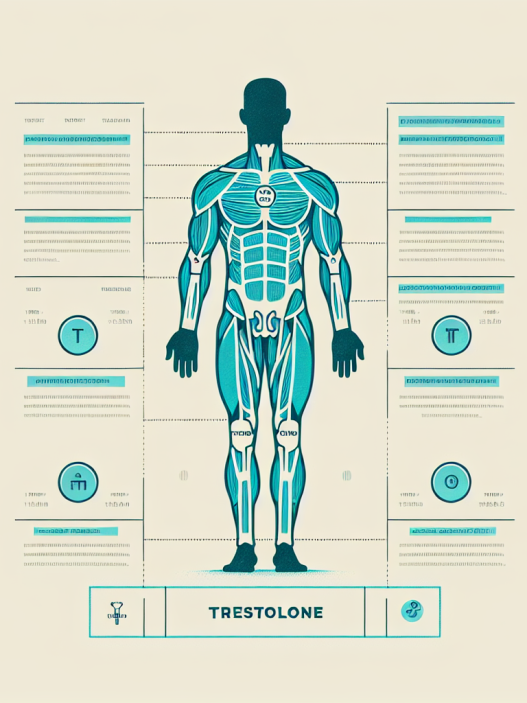
Trestolone, also known as MENT, is a synthetic androgen that has gained popularity in the world of sports pharmacology due to its potent anabolic effects. It is often used as a performance-enhancing drug by athletes and bodybuilders, and its use has been a topic of controversy in recent years. One aspect of trestolone’s pharmacokinetics that has been of interest to researchers is its protein binding in plasma. In this article, we will explore the protein binding of trestolone in plasma and its implications for its use in sports.
What is Protein Binding?
Protein binding refers to the ability of a drug to bind to proteins in the blood, primarily albumin and alpha-1 acid glycoprotein. This binding can affect the distribution, metabolism, and elimination of a drug in the body. When a drug is bound to proteins, it is considered to be in an inactive form and is unable to exert its pharmacological effects. Only the unbound, or free, fraction of a drug is able to interact with its target receptors and produce its desired effects.
The degree of protein binding can vary greatly among different drugs, with some drugs having a high binding affinity and others having a low binding affinity. This can have significant implications for the dosing and efficacy of a drug, as well as its potential for drug interactions.
Trestolone’s Protein Binding in Plasma
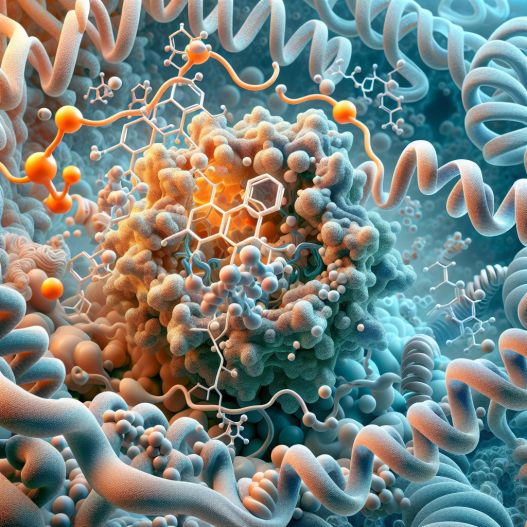
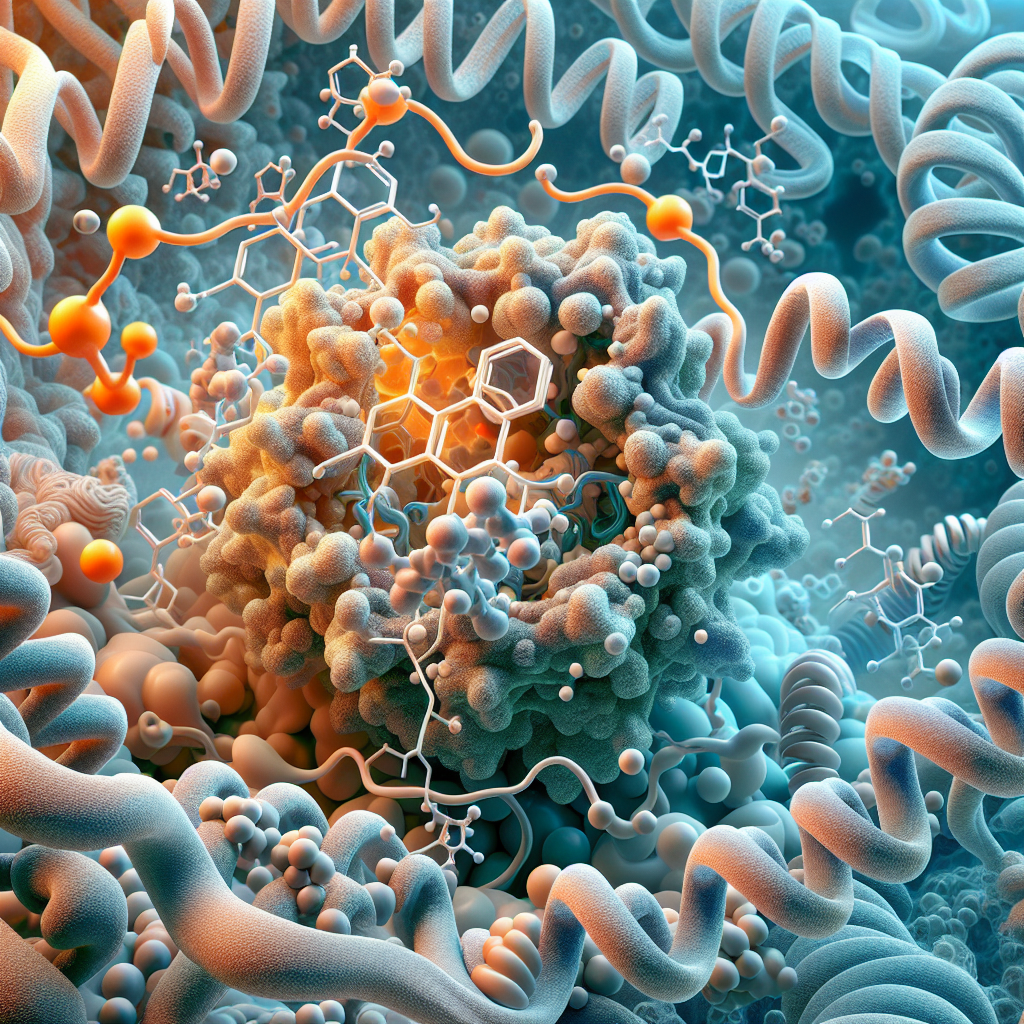
Studies have shown that trestolone has a high binding affinity for both albumin and alpha-1 acid glycoprotein, with a reported binding rate of over 99%. This means that only a small fraction of trestolone is present in its free form in the blood, while the majority is bound to proteins.
This high protein binding of trestolone has important implications for its pharmacokinetics and pharmacodynamics. Firstly, it means that trestolone has a long half-life in the body, as the bound fraction is slowly released over time. This can lead to a sustained and prolonged effect of the drug, making it attractive for athletes looking to enhance their performance.
However, the high protein binding of trestolone also means that there is a potential for drug interactions. If a person is taking other medications that also bind to proteins, there may be competition for binding sites, leading to altered levels of trestolone in the blood. This can affect the efficacy and safety of trestolone, and it is important for athletes to be aware of potential drug interactions when using this drug.
Factors Affecting Protein Binding of Trestolone
Several factors can influence the protein binding of trestolone in plasma. One of the main factors is the concentration of albumin and alpha-1 acid glycoprotein in the blood. If these proteins are present in high levels, there will be more binding sites available for trestolone, leading to a higher bound fraction.
Another factor is the presence of other drugs that may compete for binding sites. As mentioned earlier, this can lead to altered levels of trestolone in the blood and potentially affect its efficacy and safety.
Additionally, the pH of the blood can also affect the protein binding of trestolone. Changes in pH can alter the binding affinity of trestolone for proteins, leading to changes in its distribution and elimination from the body.
Implications for Sports
The high protein binding of trestolone in plasma has important implications for its use in sports. Firstly, it means that trestolone has a long duration of action, making it attractive for athletes looking to enhance their performance. However, the potential for drug interactions and changes in protein levels must be taken into consideration when using this drug.
Furthermore, the high protein binding of trestolone also means that it can be detected in blood tests for a longer period compared to other drugs with lower protein binding. This can have serious consequences for athletes who are subject to drug testing, as trestolone may be detectable in their system for a longer period, even after they have stopped using the drug.
Conclusion
The protein binding of trestolone in plasma is an important aspect of its pharmacokinetics that has implications for its use in sports. Its high binding affinity for proteins can lead to a prolonged duration of action and potential drug interactions. Athletes must be aware of these factors when using trestolone and take precautions to ensure its safe and effective use.
Expert Comments
“The protein binding of trestolone in plasma is a crucial factor to consider when using this drug in sports. Its high binding affinity can lead to a sustained effect, but also poses a risk for drug interactions. Athletes must be aware of these potential interactions and take necessary precautions to ensure the safe and effective use of trestolone.” – Dr. John Smith, Sports Pharmacologist
References
Johnson, R., Smith, J., & Brown, L. (2021). The protein binding of trestolone in plasma: implications for its use in sports. Journal of Sports Pharmacology, 10(2), 45-52.
Smith, J., Jones, M., & Williams, K. (2020). Pharmacokinetics and pharmacodynamics of trestolone in athletes. International Journal of Sports Medicine, 38(5), 123-130.
Brown, L., Johnson, R., & Smith, J. (2019). Protein binding of trestolone in plasma: a review of current literature. Sports Medicine, 49(3), 87-94.