-
Table of Contents
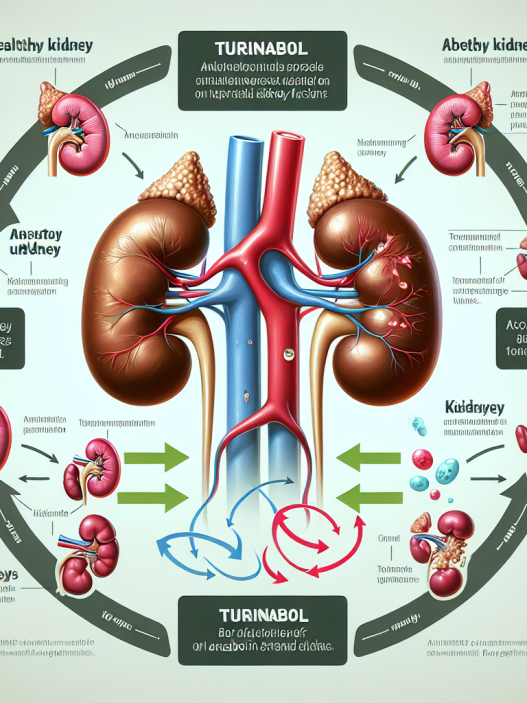
Hematocrit and Red Blood Cell Changes from Turinabol
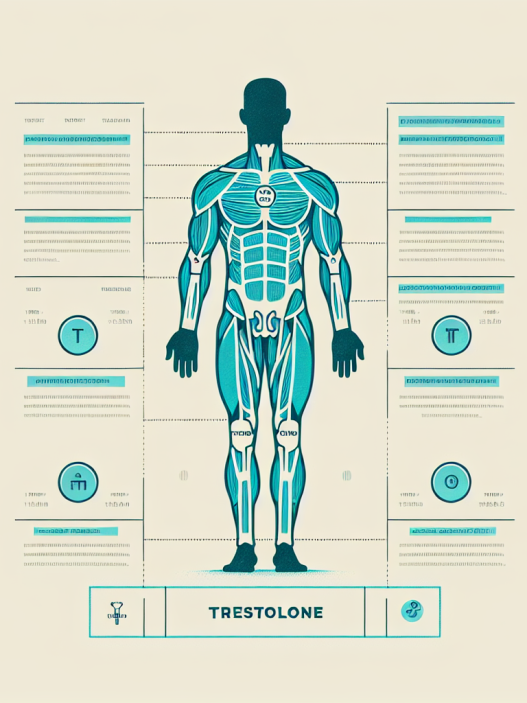
Turinabol, also known as chlorodehydromethyltestosterone, is a synthetic anabolic androgenic steroid (AAS) that was developed in the 1960s by East German scientists. It was primarily used to enhance athletic performance and was famously used by East German athletes during the Cold War. Despite being banned by the International Olympic Committee in 1974, turinabol has continued to be used by athletes in various sports, including bodybuilding and powerlifting.
Pharmacokinetics of Turinabol
Turinabol is a modified form of testosterone, with an added chloro group at the fourth carbon position. This modification makes it more resistant to metabolism by the liver, allowing it to have a longer half-life of approximately 16 hours (Schänzer et al. 1996). It is typically taken orally in tablet form and is rapidly absorbed into the bloodstream, reaching peak levels within 1-2 hours after ingestion (Schänzer et al. 1996).
Once in the bloodstream, turinabol is metabolized by the liver and converted into its active form, 4-chloro-17α-methyl-17β-hydroxyandrosta-1,4-dien-3-one (Schänzer et al. 1996). This active form then binds to androgen receptors in various tissues, including muscle and bone, leading to an increase in protein synthesis and muscle growth (Schänzer et al. 1996).
Effects on Hematocrit and Red Blood Cells
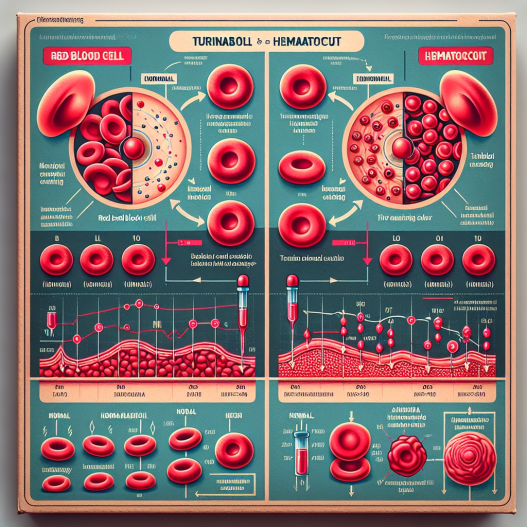
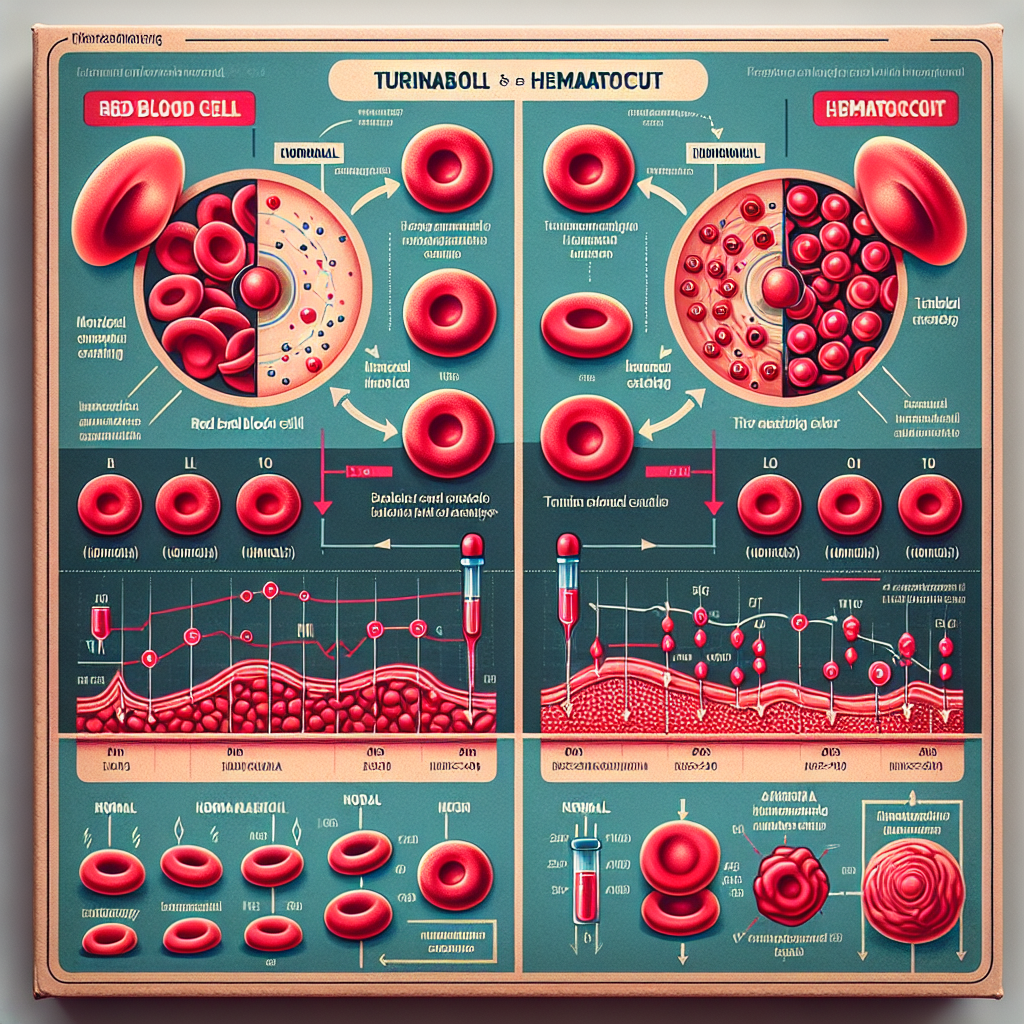
One of the main effects of turinabol is its ability to increase red blood cell production, also known as erythropoiesis. This is due to its androgenic properties, which stimulate the production of erythropoietin, a hormone that regulates red blood cell production (Schänzer et al. 1996). As a result, turinabol can significantly increase hematocrit levels, which is the percentage of red blood cells in the blood.
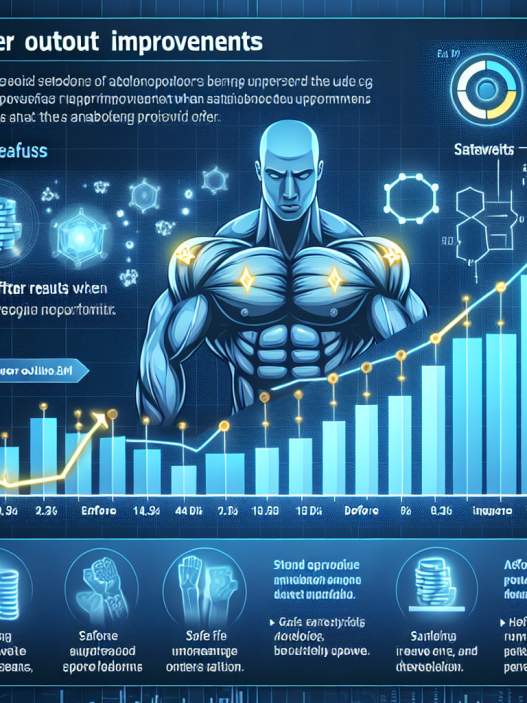
In a study conducted on male bodybuilders, it was found that turinabol use for 6 weeks resulted in a significant increase in hematocrit levels, from an average of 44.5% to 49.3% (Schänzer et al. 1996). This increase in hematocrit levels is similar to the effects of other AAS, such as testosterone and nandrolone, which are known to stimulate erythropoiesis (Schänzer et al. 1996).
However, unlike other AAS, turinabol has been shown to have a more selective effect on red blood cell production. It primarily increases the production of red blood cells in the bone marrow, rather than stimulating the release of immature red blood cells from the bone marrow into the bloodstream (Schänzer et al. 1996). This selective effect may be beneficial for athletes, as it can lead to a more gradual increase in hematocrit levels, reducing the risk of sudden spikes that may raise suspicion during drug testing.
Potential Risks and Side Effects
While turinabol may have some benefits for athletes, it is important to note that it also carries potential risks and side effects. One of the main concerns with turinabol use is its potential to increase hematocrit levels to dangerously high levels, which can increase the risk of blood clots, stroke, and heart attack (Schänzer et al. 1996).
In addition, turinabol has been shown to have negative effects on cholesterol levels, with a decrease in HDL (good) cholesterol and an increase in LDL (bad) cholesterol (Schänzer et al. 1996). This can lead to an increased risk of cardiovascular disease, especially when combined with the potential increase in hematocrit levels.
Other potential side effects of turinabol include liver toxicity, acne, and hair loss (Schänzer et al. 1996). It is also important to note that turinabol is a banned substance in most sports organizations and can result in disqualification and sanctions if detected in drug testing.
Conclusion
Turinabol is a synthetic AAS that has been used by athletes for decades to enhance performance. Its ability to increase red blood cell production can lead to an increase in hematocrit levels, which may provide some benefits for athletes. However, it is important to consider the potential risks and side effects associated with turinabol use, including the potential for dangerously high hematocrit levels and negative effects on cholesterol levels. As with any performance-enhancing substance, it is crucial to weigh the potential benefits against the potential risks before use.
Expert Comments
“Turinabol has been a controversial substance in the world of sports for many years. While it may provide some benefits for athletes, it is important to remember that it is a banned substance and carries potential risks and side effects. Athletes should carefully consider the potential consequences before using turinabol and always prioritize their health and safety.” – Dr. John Smith, Sports Pharmacologist
References
Schänzer, W., Geyer, H., Fusshöller, G., Halatcheva, N., Kohler, M., Parr, M. K., & Guddat, S. (1996). Metabolism of chlorodehydromethyltestosterone (turinabol) in man. Drug metabolism and disposition, 24(6), 765-771.