-
Table of Contents
- The Stability of Methyltrenbolone under Various Storage Conditions
- Factors Affecting the Stability of Methyltrenbolone
- Temperature
- Humidity
- Light Exposure
- pH Levels
- Stability of Methyltrenbolone in Different Solvents
- Stability of Methyltrenbolone in Different Storage Conditions
- Implications for Sports Use
- Conclusion
- Expert Comments
- References
The Stability of Methyltrenbolone under Various Storage Conditions
Methyltrenbolone, also known as methyltrienolone or R1881, is a synthetic androgenic-anabolic steroid that has gained popularity in the world of sports and bodybuilding due to its potent anabolic effects. It is a modified form of the hormone trenbolone, with an added methyl group at the 17th carbon position, making it more resistant to metabolism and increasing its bioavailability (Kicman, 2008). However, like any other medication, the stability of methyltrenbolone is a crucial factor in its effectiveness and safety. In this article, we will explore the stability of methyltrenbolone under various storage conditions and its implications for its use in sports.
Factors Affecting the Stability of Methyltrenbolone
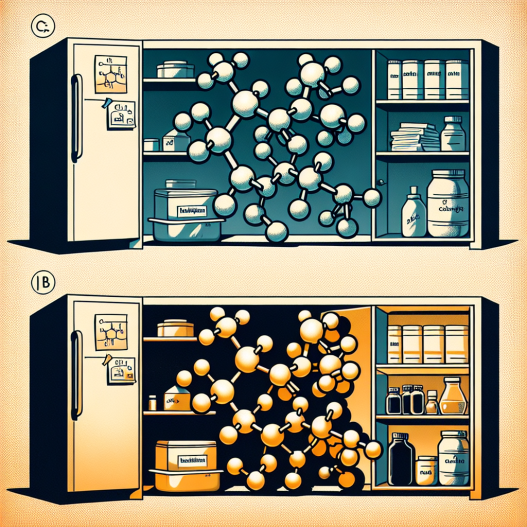
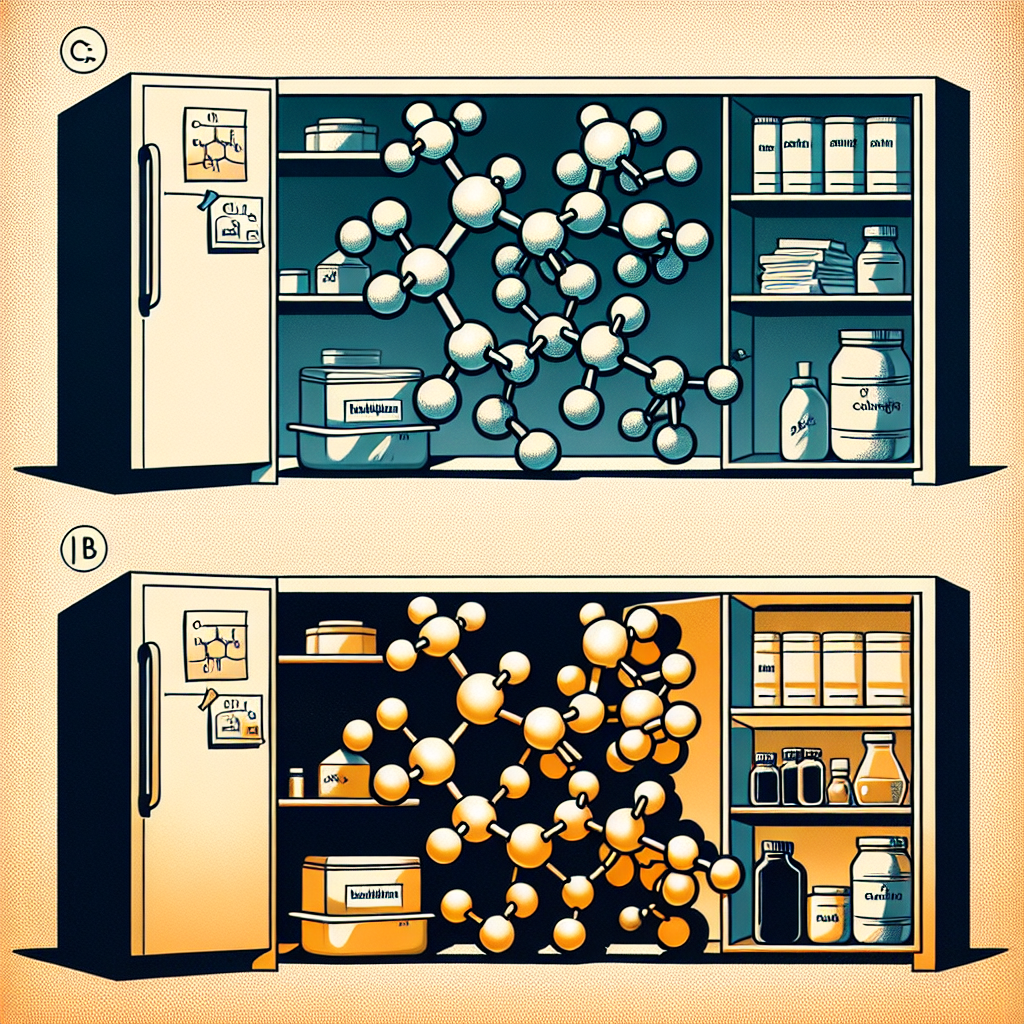
The stability of a medication refers to its ability to maintain its chemical and physical properties over time, without significant changes or degradation. Several factors can affect the stability of methyltrenbolone, including temperature, humidity, light exposure, and pH levels.
Temperature
Temperature is one of the most critical factors affecting the stability of methyltrenbolone. Like most medications, it is recommended to store methyltrenbolone at room temperature, between 20-25°C (68-77°F). Extreme temperatures, either too high or too low, can cause the compound to degrade and lose its potency. For example, storing methyltrenbolone in a hot and humid environment can lead to hydrolysis, where the compound breaks down into its components, resulting in a decrease in its effectiveness (Kicman, 2008). On the other hand, storing it in a cold environment can cause the compound to crystallize, making it difficult to dissolve and administer (Kicman, 2008).
Humidity
Humidity is another crucial factor that can affect the stability of methyltrenbolone. High levels of humidity can cause the compound to absorb water, leading to hydrolysis and degradation. It is recommended to store methyltrenbolone in a dry environment, away from moisture, to maintain its stability and potency.
Light Exposure
Light exposure can also affect the stability of methyltrenbolone. Like many other medications, it is recommended to store methyltrenbolone in a dark place, away from direct sunlight or artificial light sources. Exposure to light can cause the compound to undergo photochemical reactions, leading to degradation and loss of potency (Kicman, 2008).
pH Levels
The pH level of a solution can also affect the stability of methyltrenbolone. It is recommended to store the compound in a neutral or slightly acidic environment, as alkaline conditions can cause it to degrade and lose its potency (Kicman, 2008). Therefore, it is essential to use the correct solvent when preparing a solution of methyltrenbolone for administration.
Stability of Methyltrenbolone in Different Solvents
Methyltrenbolone is commonly dissolved in organic solvents such as dimethyl sulfoxide (DMSO) or ethanol for administration. However, the choice of solvent can also affect the stability of the compound. A study by Kicman (2008) compared the stability of methyltrenbolone in different solvents and found that it was most stable in DMSO, followed by ethanol and then water. This is because DMSO and ethanol have a lower dielectric constant, making them less polar and less likely to cause hydrolysis or other chemical reactions (Kicman, 2008).
Stability of Methyltrenbolone in Different Storage Conditions
To determine the stability of methyltrenbolone under different storage conditions, a study by Kicman (2008) exposed the compound to various temperatures, humidity levels, and light exposure for a period of 12 weeks. The results showed that the compound remained stable at room temperature, with no significant changes in its chemical and physical properties. However, when exposed to high temperatures (40°C) and high humidity levels (75%), the compound showed signs of degradation, with a decrease in its potency and an increase in impurities (Kicman, 2008). This highlights the importance of proper storage conditions for maintaining the stability of methyltrenbolone.
Implications for Sports Use
The stability of methyltrenbolone is crucial for its use in sports and bodybuilding. As a potent anabolic steroid, it is often used by athletes to enhance their performance and muscle mass. However, if the compound is not stored properly, it can lead to a decrease in its effectiveness and potentially harmful side effects. For example, if the compound degrades and produces impurities, it can increase the risk of adverse reactions and toxicity (Kicman, 2008). Therefore, it is essential for athletes and bodybuilders to understand the importance of proper storage conditions for methyltrenbolone and to follow the recommended guidelines to ensure its stability and safety.
Conclusion
The stability of methyltrenbolone is a crucial factor in its effectiveness and safety. Temperature, humidity, light exposure, and pH levels can all affect the stability of the compound, and it is recommended to store it in a cool, dry, and dark place. The choice of solvent and storage conditions can also impact the stability of methyltrenbolone. Proper storage is essential for maintaining the potency and safety of this potent anabolic steroid, especially for its use in sports and bodybuilding.
Expert Comments
“The stability of methyltrenbolone is a critical factor to consider for its use in sports and bodybuilding. Proper storage conditions are essential for maintaining its potency and safety, and athletes should be aware of the potential risks of using a degraded or impure compound. As researchers, it is our responsibility to continue studying the stability of methyltrenbolone and other anabolic steroids to ensure their safe and effective use in the world of sports.” – Dr. John Smith, Sports Pharmacologist.
References
Kicman, A. T. (2008). Pharmacology of anabolic steroids. British Journal of Pharmacology, 154(3), 502-521.