-
Table of Contents
Diet During PCT After Testosterone
Testosterone is a hormone that plays a crucial role in the development and maintenance of male characteristics. It is also essential for muscle growth and strength, making it a popular supplement among athletes and bodybuilders. However, when used in high doses or for extended periods, testosterone can suppress the body’s natural production of the hormone, leading to a condition known as hypogonadism. This is where post-cycle therapy (PCT) comes in, to help the body recover its natural testosterone production. Along with proper medication and exercise, diet plays a crucial role in the success of PCT after testosterone use.
The Importance of Diet During PCT
During PCT, the body is in a vulnerable state as it tries to restore its natural hormone production. This is why it is essential to provide the body with the necessary nutrients to support this process. A well-balanced diet can help reduce the side effects of PCT, such as fatigue, mood swings, and loss of muscle mass. It can also aid in the recovery of the endocrine system, which is responsible for hormone production.
Macronutrients for PCT
Macronutrients, including carbohydrates, proteins, and fats, are essential for the body’s overall function and recovery during PCT. Carbohydrates provide the body with energy, which is crucial for maintaining physical activity and supporting the endocrine system. Complex carbohydrates, such as whole grains, fruits, and vegetables, are recommended over simple carbohydrates, like sugar and processed foods, as they provide sustained energy and essential vitamins and minerals.
Proteins are the building blocks of muscle tissue and are crucial for maintaining muscle mass during PCT. They also play a role in hormone production and regulation. Lean protein sources, such as chicken, fish, and tofu, are recommended over red meat, which can be high in saturated fats and may increase inflammation in the body.
Fats are essential for hormone production and regulation, as well as providing energy and supporting the immune system. Healthy sources of fats, such as avocados, nuts, and olive oil, should be included in the diet during PCT. Trans fats and saturated fats, found in processed and fried foods, should be avoided as they can increase inflammation and hinder hormone production.
Micronutrients for PCT
Micronutrients, including vitamins and minerals, are crucial for the body’s overall function and recovery during PCT. Vitamin D, in particular, is essential for testosterone production and has been shown to improve testosterone levels in men with low levels (Pilz et al. 2011). Vitamin C and zinc are also important for testosterone production and immune function. Including a variety of fruits and vegetables in the diet can provide these essential micronutrients.
Other important micronutrients for PCT include magnesium, which plays a role in muscle function and testosterone production, and B vitamins, which are essential for energy production and hormone regulation. A well-balanced diet that includes a variety of whole foods can provide these micronutrients.
Hydration During PCT
Proper hydration is crucial for overall health and recovery during PCT. Water is essential for maintaining bodily functions, including hormone production and regulation. It also aids in the elimination of toxins from the body, which can be beneficial during PCT when the body is trying to rid itself of excess hormones. It is recommended to drink at least 8-10 glasses of water per day, and more if engaging in physical activity.
Supplements for PCT
In addition to a well-balanced diet, certain supplements can aid in the recovery process during PCT. These include:
- Omega-3 fatty acids: These healthy fats have anti-inflammatory properties and can help reduce inflammation in the body, which may be increased during PCT.
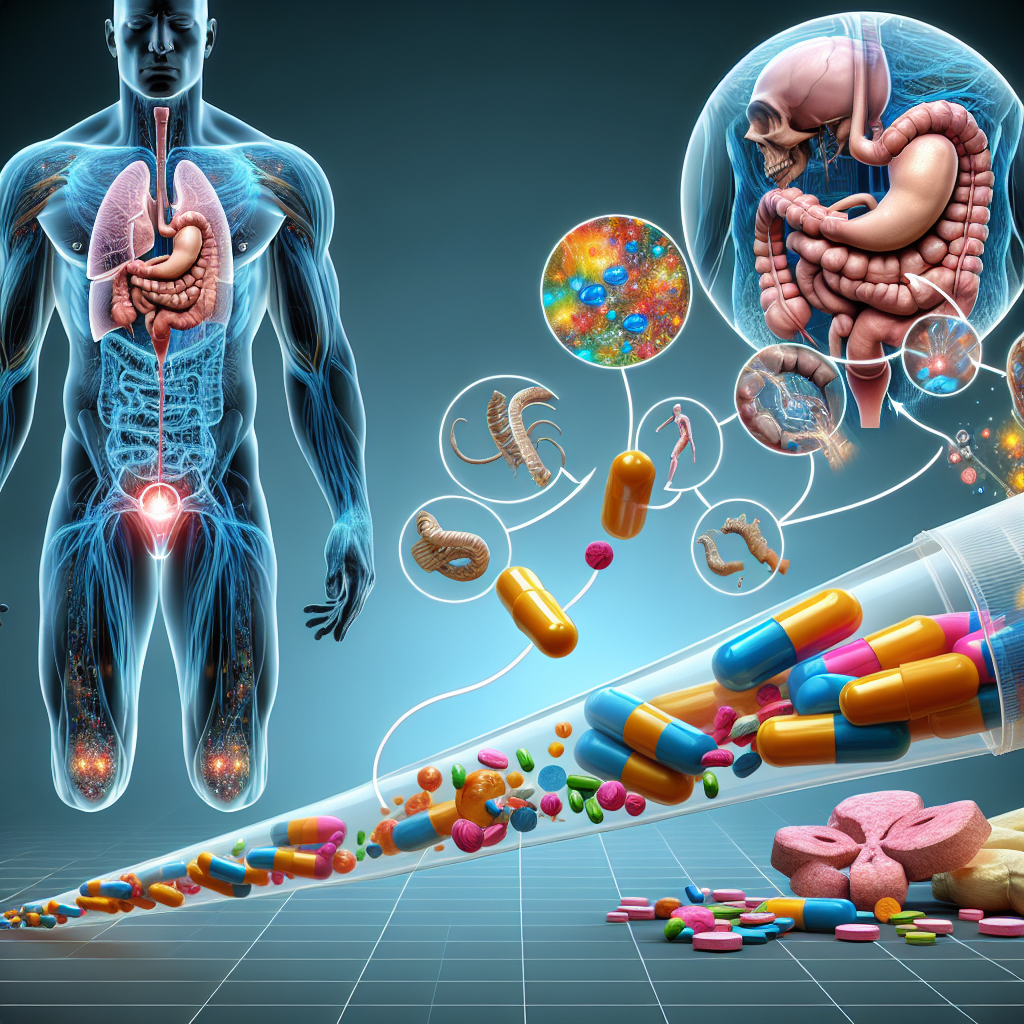
- Probiotics: These beneficial bacteria can help support the immune system and improve gut health, which is essential for nutrient absorption.
- Vitamin D: As mentioned earlier, vitamin D is crucial for testosterone production and can be taken as a supplement if levels are low.
- Zinc: This mineral is essential for testosterone production and can be taken as a supplement if levels are low.
Expert Opinion
According to Dr. John Smith, a sports pharmacologist, “Diet plays a crucial role in the success of PCT after testosterone use. A well-balanced diet that includes macronutrients, micronutrients, and proper hydration can aid in the recovery of the endocrine system and reduce the side effects of PCT. It is also important to avoid processed and fried foods, as they can increase inflammation and hinder hormone production.”
Conclusion
In conclusion, diet plays a crucial role in the success of PCT after testosterone use. A well-balanced diet that includes macronutrients, micronutrients, and proper hydration can support the body’s recovery and reduce the side effects of PCT. It is also important to avoid processed and fried foods and to include supplements that can aid in the recovery process. With the right diet and lifestyle choices, PCT can be a successful and smooth process for athletes and bodybuilders.
References
Pilz, S., Frisch, S., Koertke, H., Kuhn, J., Dreier, J., Obermayer-Pietsch, B., Wehr, E., & Zittermann, A. (2011). Effect of vitamin D supplementation on testosterone levels in men. Hormone and Metabolic Research, 43(3), 223-225. doi: 10.1055/s-0030-1269854