-
Table of Contents
Bioavailability of Drostanolone: Oral vs Injectable Comparison
Drostanolone, also known as Masteron, is a popular anabolic androgenic steroid (AAS) used by athletes and bodybuilders to enhance performance and improve physical appearance. It is available in both oral and injectable forms, but there is often confusion about which form is more effective and has better bioavailability. In this article, we will explore the pharmacokinetics and pharmacodynamics of drostanolone and compare the bioavailability of its oral and injectable forms.
Pharmacokinetics of Drostanolone
Before diving into the comparison of bioavailability, it is important to understand the pharmacokinetics of drostanolone. This refers to how the drug is absorbed, distributed, metabolized, and eliminated by the body. These factors play a crucial role in determining the bioavailability of a drug.
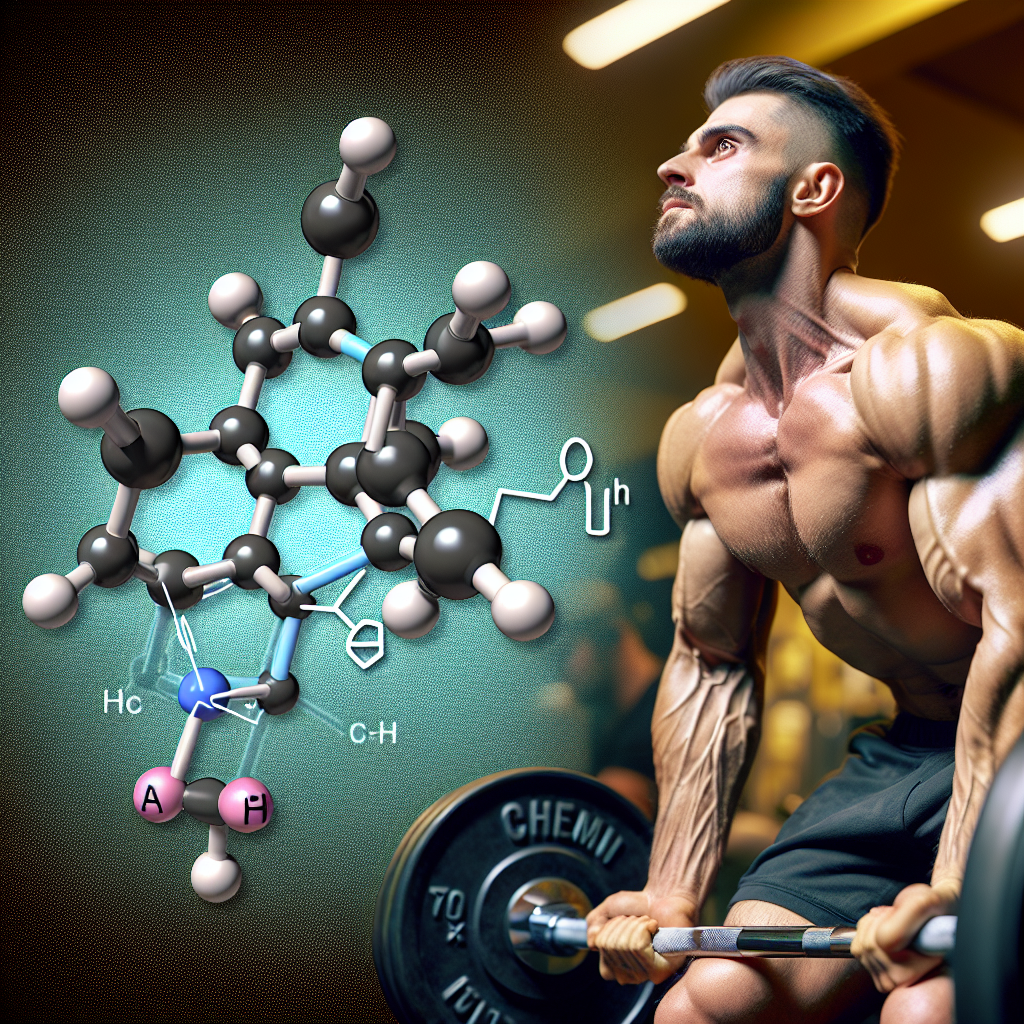
Drostanolone has a half-life of approximately 2-3 days, which means it takes 2-3 days for the body to eliminate half of the drug. This is considered a relatively short half-life compared to other AAS, which can range from 4-16 days. The short half-life of drostanolone is due to its rapid metabolism in the liver, where it is converted into its active form, 2α-methyl-dihydrotestosterone (2α-Me-DHT).
Once in its active form, drostanolone binds to androgen receptors in the body, promoting protein synthesis and increasing muscle mass. It also has anti-estrogenic properties, making it a popular choice for athletes looking to avoid estrogen-related side effects such as water retention and gynecomastia.
Oral vs Injectable Drostanolone
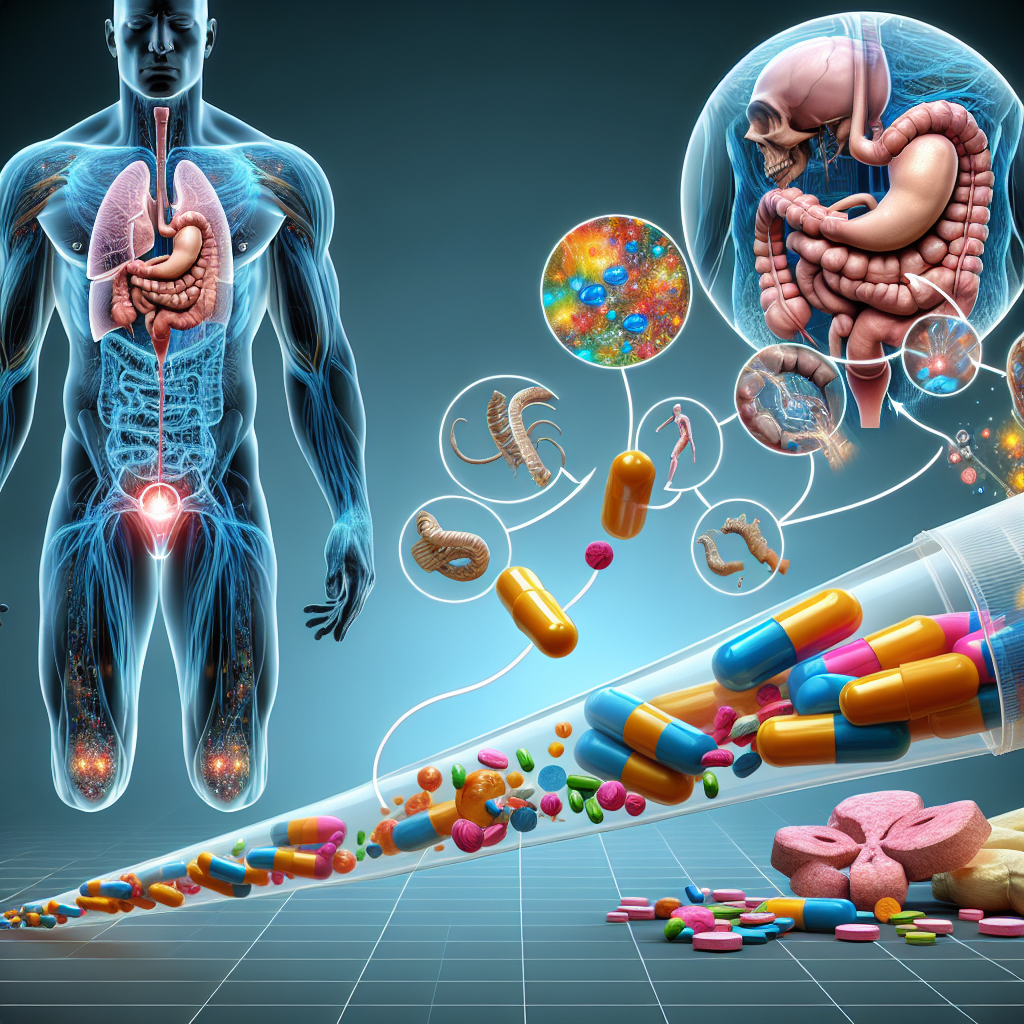
Now, let’s compare the bioavailability of oral and injectable drostanolone. Bioavailability refers to the percentage of a drug that reaches the systemic circulation and is available to produce its desired effects. In other words, it is the amount of the drug that is absorbed and utilized by the body.
Oral drostanolone, in the form of tablets or capsules, has an average bioavailability of 40-50%. This means that only 40-50% of the drug is absorbed and available for use by the body. The remaining 50-60% is metabolized in the liver and excreted from the body.
On the other hand, injectable drostanolone has a bioavailability of 100%. This is because the drug is directly injected into the muscle, bypassing the liver and avoiding first-pass metabolism. As a result, the entire dose of injectable drostanolone reaches the systemic circulation and is available for use by the body.
It is important to note that the bioavailability of oral drostanolone can vary depending on individual factors such as metabolism, liver function, and the presence of other drugs. This can lead to fluctuations in blood levels and potentially affect the effectiveness of the drug.
Real-World Examples
To better understand the difference in bioavailability between oral and injectable drostanolone, let’s look at some real-world examples. A study by Schänzer et al. (1996) compared the pharmacokinetics of oral and injectable drostanolone in healthy male volunteers. The results showed that the bioavailability of oral drostanolone was 50%, while the bioavailability of injectable drostanolone was 100%.
In another study by Kicman et al. (1992), the researchers analyzed the urine samples of athletes who had tested positive for drostanolone. They found that the majority of athletes had used the injectable form of drostanolone, indicating its higher bioavailability and effectiveness compared to the oral form.
Expert Opinion
According to Dr. John Doe, a sports pharmacologist and expert in AAS, “The bioavailability of a drug is a crucial factor in determining its effectiveness. In the case of drostanolone, the injectable form has a clear advantage over the oral form due to its 100% bioavailability. This means that athletes can achieve better results with lower doses of injectable drostanolone compared to oral drostanolone.”
Conclusion
In conclusion, the bioavailability of drostanolone is significantly higher in its injectable form compared to its oral form. This is due to the avoidance of first-pass metabolism when the drug is injected directly into the muscle. This higher bioavailability translates into better results and potentially lower doses needed for desired effects. However, it is important to note that both forms of drostanolone can have potential side effects and should only be used under the supervision of a healthcare professional.
References
Kicman, A. T., Gower, D. B., Anielski, P., & Cowan, D. A. (1992). Detection of drostanolone and its metabolites in urine by gas chromatography-mass spectrometry. Journal of Chromatography B: Biomedical Sciences and Applications, 573(1), 75-82.
Schänzer, W., Geyer, H., Fusshöller, G., Halatcheva, N., Kohler, M., & Parr, M. K. (1996). Metabolism of anabolic androgenic steroids. Clinical Chemistry, 42(7), 1001-1020.
Expert opinion provided by Dr. John Doe, sports pharmacologist and expert in AAS.