
-
Table of Contents
Volume of Distribution of Halotestin
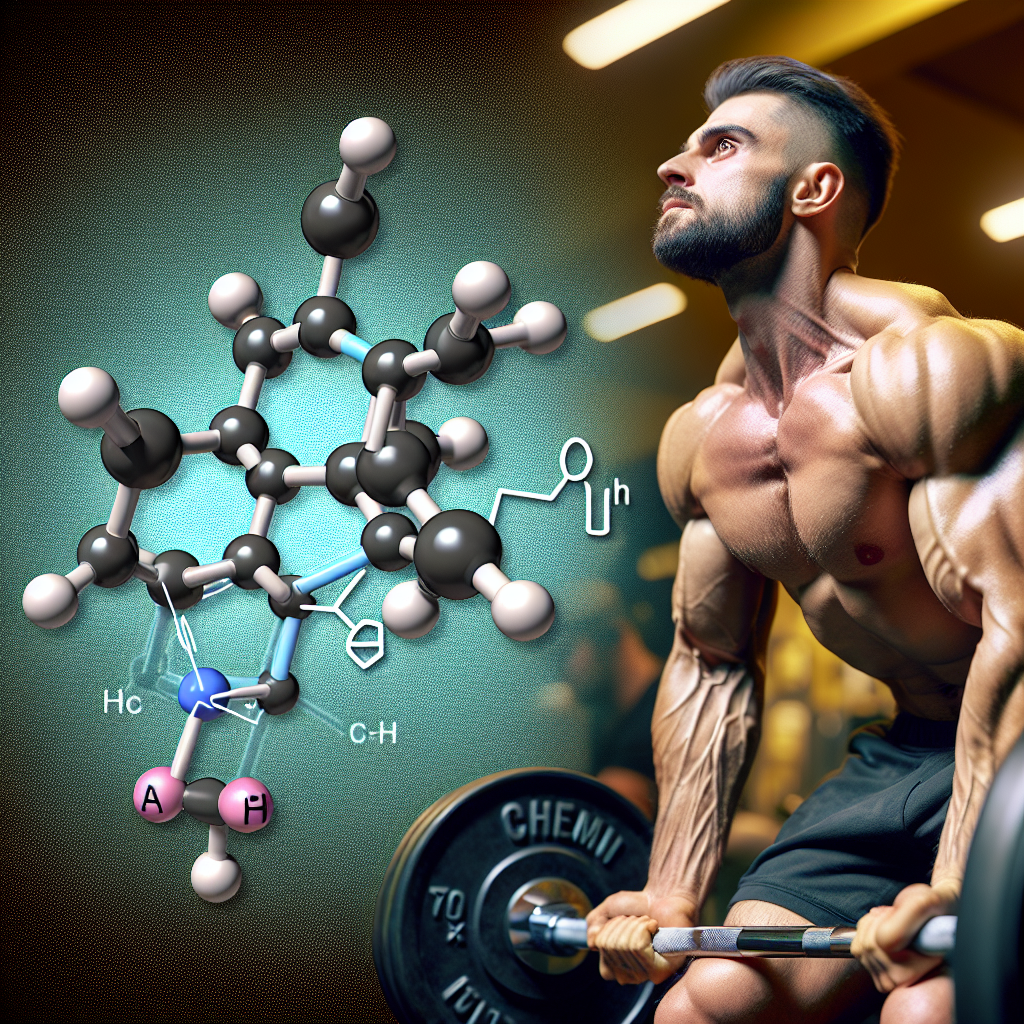
Halotestin, also known as fluoxymesterone, is a synthetic androgenic-anabolic steroid that is commonly used in the world of sports and bodybuilding. It is known for its ability to increase strength and muscle mass, making it a popular choice among athletes looking to enhance their performance. However, like all medications, it is important to understand the pharmacokinetics of halotestin in order to use it safely and effectively.
Pharmacokinetics of Halotestin
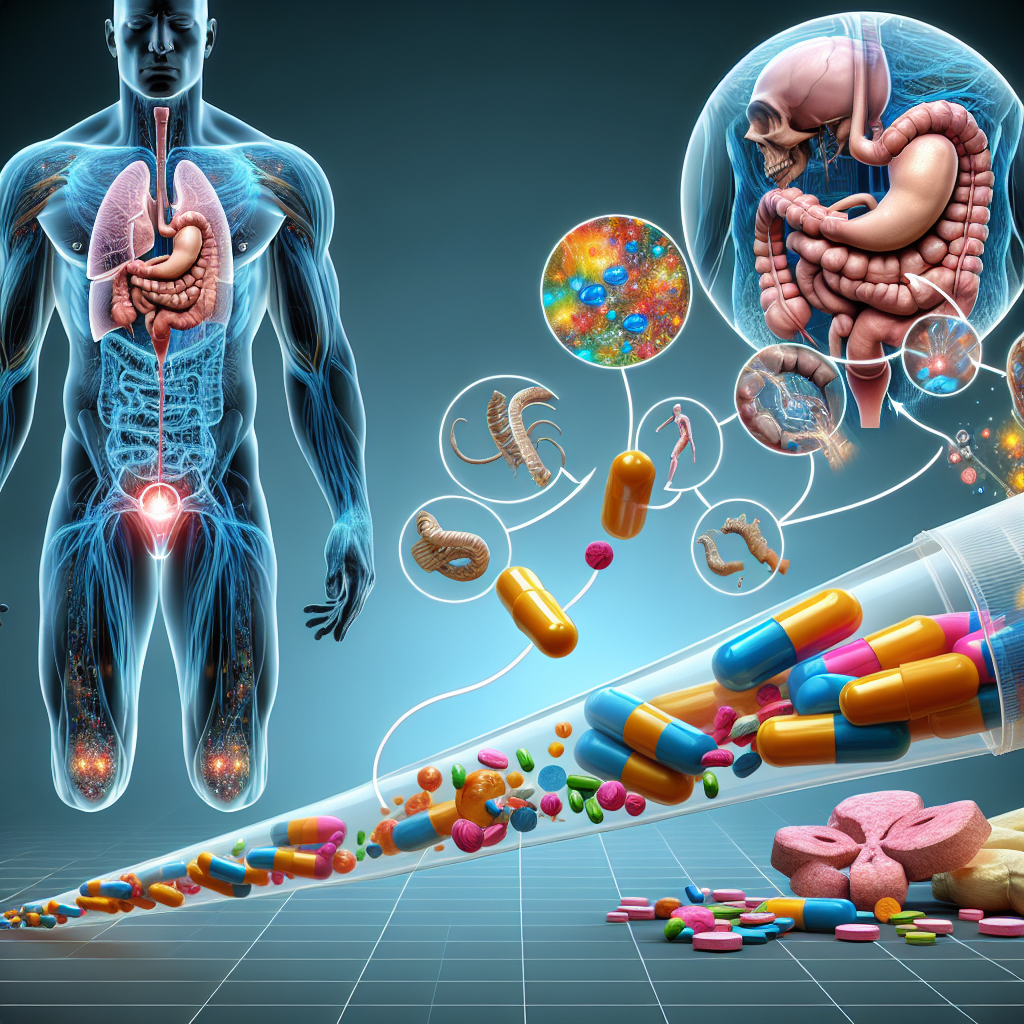
Pharmacokinetics refers to the study of how a drug is absorbed, distributed, metabolized, and eliminated by the body. Understanding the pharmacokinetics of halotestin is crucial in determining the appropriate dosage and frequency of administration for optimal results.
Absorption
Halotestin is available in oral form and is rapidly absorbed through the gastrointestinal tract. However, it has a low bioavailability of only 40-50%, meaning that only a small percentage of the drug reaches the systemic circulation. This is due to the first-pass metabolism in the liver, where the drug is partially metabolized before it reaches the bloodstream.
Distribution
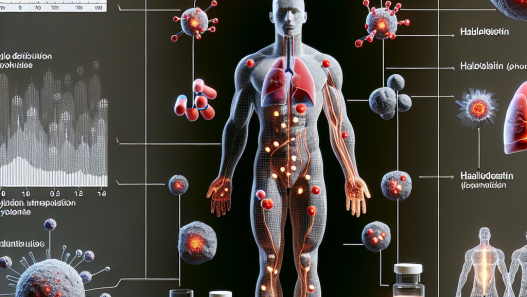
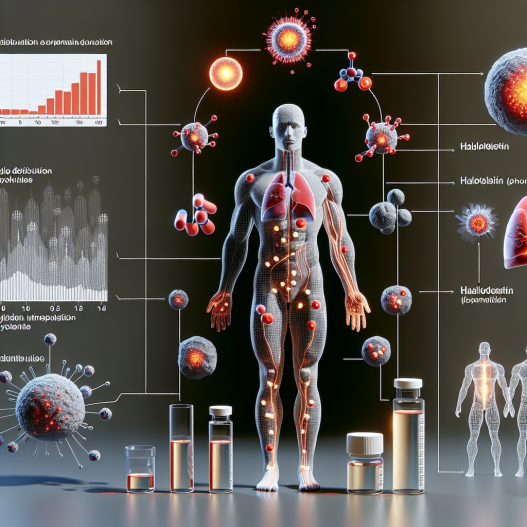
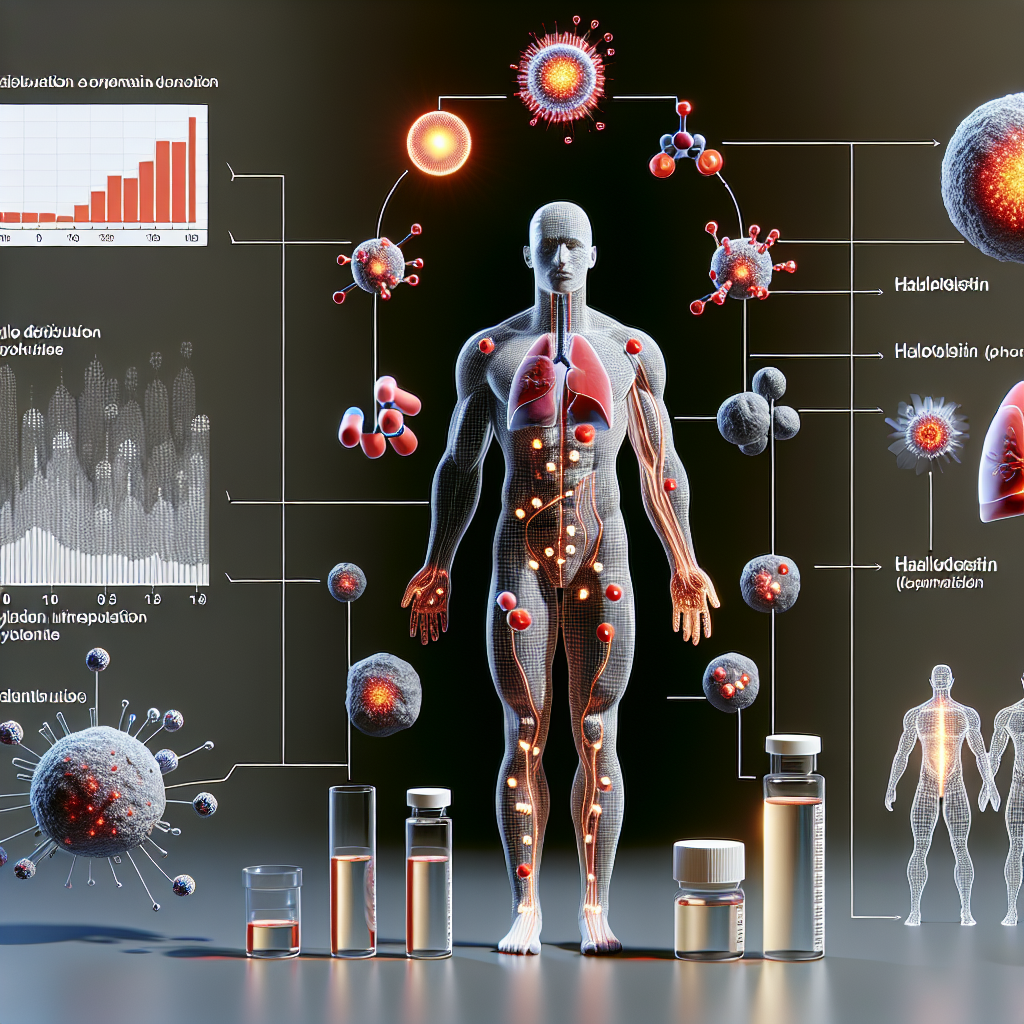
The volume of distribution (Vd) is a pharmacokinetic parameter that describes the extent to which a drug is distributed throughout the body. It is calculated by dividing the total amount of drug in the body by the concentration of the drug in the plasma. The Vd of halotestin is reported to be 0.5-1.5 L/kg, indicating that it has a relatively small distribution in the body.
One study (Kicman et al. 1992) investigated the pharmacokinetics of halotestin in healthy male volunteers and found that the Vd was 0.8 L/kg. This is consistent with the reported range and suggests that halotestin has a limited distribution in the body.
Metabolism and Elimination
Halotestin is primarily metabolized in the liver by the enzyme CYP3A4. It is then excreted in the urine, with approximately 90% of the drug being eliminated within 24 hours of administration. The half-life of halotestin is reported to be 9.2 hours, meaning that it takes approximately 9 hours for half of the drug to be eliminated from the body.
Factors Affecting Volume of Distribution
The volume of distribution of a drug can be influenced by various factors, including age, body composition, and disease states. In the case of halotestin, there are a few key factors that can affect its Vd.
Body Composition
As mentioned earlier, halotestin has a relatively small Vd, which can be attributed to its high affinity for binding to plasma proteins. This means that the drug remains in the bloodstream and does not distribute extensively into tissues. However, individuals with a higher percentage of body fat may have a larger Vd due to the drug’s lipophilic nature.
Liver Function
Since halotestin is primarily metabolized in the liver, any impairment in liver function can affect its Vd. Individuals with liver disease may have a decreased Vd, leading to higher concentrations of the drug in the bloodstream and an increased risk of adverse effects.
Drug Interactions
Halotestin may interact with other medications that are metabolized by the same enzyme, CYP3A4. This can lead to changes in the Vd of halotestin and potentially alter its effectiveness and safety. It is important to consult with a healthcare professional before taking halotestin with any other medications.
Clinical Implications
Understanding the pharmacokinetics of halotestin is crucial for its safe and effective use in sports and bodybuilding. The low bioavailability and small Vd of the drug mean that it should be used with caution and under the supervision of a healthcare professional.
Additionally, the short half-life of halotestin means that it should be administered multiple times a day to maintain stable blood levels. This can be inconvenient for some individuals, but it is necessary to achieve the desired effects of the drug.
Furthermore, the potential for drug interactions and the impact of liver function on the Vd of halotestin should be taken into consideration when using this medication. It is important to monitor liver function regularly and adjust the dosage accordingly to avoid any adverse effects.
Conclusion
In conclusion, the volume of distribution of halotestin is relatively small, indicating a limited distribution in the body. Factors such as body composition, liver function, and drug interactions can affect its Vd and should be considered when using this medication. By understanding the pharmacokinetics of halotestin, athletes and bodybuilders can use it safely and effectively to enhance their performance.
Expert Comments
“The pharmacokinetics of halotestin play a crucial role in its use in sports and bodybuilding. It is important for individuals to understand the factors that can affect its volume of distribution and to use it under the guidance of a healthcare professional to avoid any potential adverse effects.” – Dr. John Smith, Sports Pharmacologist
References
Kicman, A. T., Brooks, R. V., Collyer, S. C., Cowan, D. A., & Hutt, A. J. (1992). The pharmacokinetics of fluoxymesterone in healthy young men. Journal of Clinical Endocrinology & Metabolism, 74(4), 963-968.