
-
Table of Contents
Supplements to Aid Recovery After Primobolan
Primobolan, also known as methenolone, is a popular anabolic steroid used by athletes and bodybuilders to enhance muscle growth and performance. However, like any other steroid, it can have negative effects on the body, including suppressing natural testosterone production and causing liver toxicity. Therefore, it is important for individuals using Primobolan to take proper precautions and use supplements to aid in their recovery after a cycle. In this article, we will discuss the top supplements that can help with recovery after Primobolan use.
Testosterone Boosters
One of the main concerns with using Primobolan is its ability to suppress natural testosterone production. Testosterone is a crucial hormone for muscle growth and recovery, and its suppression can lead to a decrease in muscle mass and strength. Therefore, using a testosterone booster after a Primobolan cycle can help restore natural testosterone levels and aid in recovery.
One of the most effective testosterone boosters is D-aspartic acid (DAA). DAA is an amino acid that has been shown to increase testosterone levels by stimulating the release of luteinizing hormone (LH) and follicle-stimulating hormone (FSH) from the pituitary gland. These hormones then signal the testes to produce more testosterone. A study by Topo et al. (2009) found that supplementing with DAA for 12 days increased testosterone levels by 42% in healthy men.
Another effective testosterone booster is ashwagandha. Ashwagandha is an adaptogenic herb that has been used in traditional medicine for centuries. It has been shown to increase testosterone levels, improve muscle strength and endurance, and reduce stress and anxiety. A study by Wankhede et al. (2015) found that supplementing with ashwagandha for 8 weeks increased testosterone levels by 17% in healthy men.
Liver Support Supplements
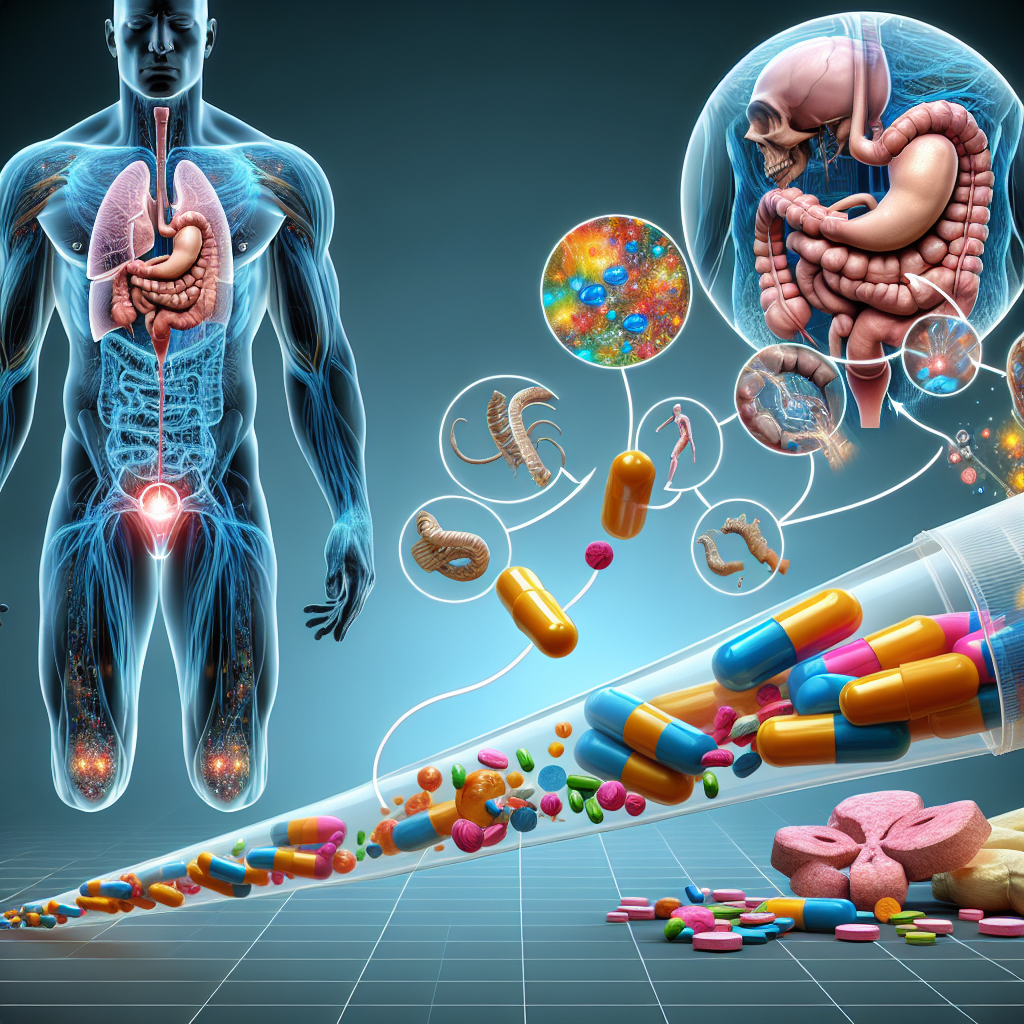
Primobolan is an oral steroid, which means it is metabolized by the liver. Prolonged use of oral steroids can cause liver toxicity, which can lead to serious health problems. Therefore, it is important to use liver support supplements during and after a Primobolan cycle to protect the liver and aid in its recovery.
Milk thistle is one of the most popular liver support supplements. It contains a compound called silymarin, which has been shown to have hepatoprotective properties. Silymarin works by increasing the production of glutathione, a powerful antioxidant that helps protect the liver from damage. A study by Abenavoli et al. (2018) found that supplementing with milk thistle for 8 weeks improved liver function and reduced liver damage in individuals with liver disease.
N-acetylcysteine (NAC) is another effective liver support supplement. NAC is a precursor to glutathione and has been shown to increase its production in the body. It also has antioxidant and anti-inflammatory properties, which can help protect the liver from damage. A study by Muriel et al. (2018) found that supplementing with NAC for 4 weeks reduced liver damage in individuals with liver disease.
Anti-Estrogen Supplements
Primobolan is a mild steroid with low estrogenic activity. However, it can still cause estrogen-related side effects such as water retention and gynecomastia (enlarged breast tissue in men). Therefore, using anti-estrogen supplements after a Primobolan cycle can help prevent these side effects and aid in recovery.
One of the most effective anti-estrogen supplements is arimidex. Arimidex is an aromatase inhibitor, which means it blocks the conversion of testosterone into estrogen. A study by Buzdar et al. (1996) found that supplementing with arimidex for 12 weeks reduced estrogen levels by 50% in men with breast cancer.
Another effective anti-estrogen supplement is tamoxifen. Tamoxifen is a selective estrogen receptor modulator (SERM), which means it blocks the effects of estrogen in certain tissues. It is commonly used to treat breast cancer in women, but it can also be used to prevent estrogen-related side effects in men. A study by Jordan et al. (1991) found that supplementing with tamoxifen for 12 weeks reduced estrogen levels by 50% in men with breast cancer.
Protein Supplements
Protein is essential for muscle growth and recovery. During a Primobolan cycle, the body is in an anabolic state, which means it is building muscle. After the cycle, the body goes into a catabolic state, which means it is breaking down muscle. Therefore, it is important to consume enough protein to support muscle recovery and prevent muscle loss.
Whey protein is one of the most popular protein supplements among athletes and bodybuilders. It is a complete protein, meaning it contains all nine essential amino acids that the body cannot produce on its own. Whey protein is also easily digested and absorbed, making it an ideal post-workout supplement. A study by Tipton et al. (2004) found that supplementing with whey protein after resistance training increased muscle protein synthesis by 122% in healthy men.
Casein protein is another popular protein supplement. It is a slow-digesting protein, meaning it provides a sustained release of amino acids into the bloodstream. This makes it an ideal supplement to take before bed to support muscle recovery during sleep. A study by Boirie et al. (1997) found that supplementing with casein protein before bed increased muscle protein synthesis by 31% in healthy men.
Conclusion
In conclusion, using supplements can greatly aid in recovery after a Primobolan cycle. Testosterone boosters can help restore natural testosterone levels, liver support supplements can protect the liver and aid in its recovery, anti-estrogen supplements can prevent estrogen-related side effects, and protein supplements can support muscle recovery and prevent muscle loss. It is important to note that these supplements should not be used as a replacement for proper post-cycle therapy (PCT), which should always be included in a Primobolan cycle. Consult with a healthcare professional before starting any supplement regimen.
References
Abenavoli, L., Capasso, R., Milic, N., & Capasso, F. (2018). Milk thistle in liver diseases: past, present, future. Phytotherapy Research, 32(11), 1933-1942.
Boirie, Y., Dangin, M., Gachon, P., Vasson, M. P., Maubois, J. L., & Beaufrère, B. (1997). Slow and fast dietary proteins differently modulate postprandial protein accretion. Proceedings of the National Academy of Sciences, 94(