-
Table of Contents
Prohormones and Sports Performance: Myth or Reality?
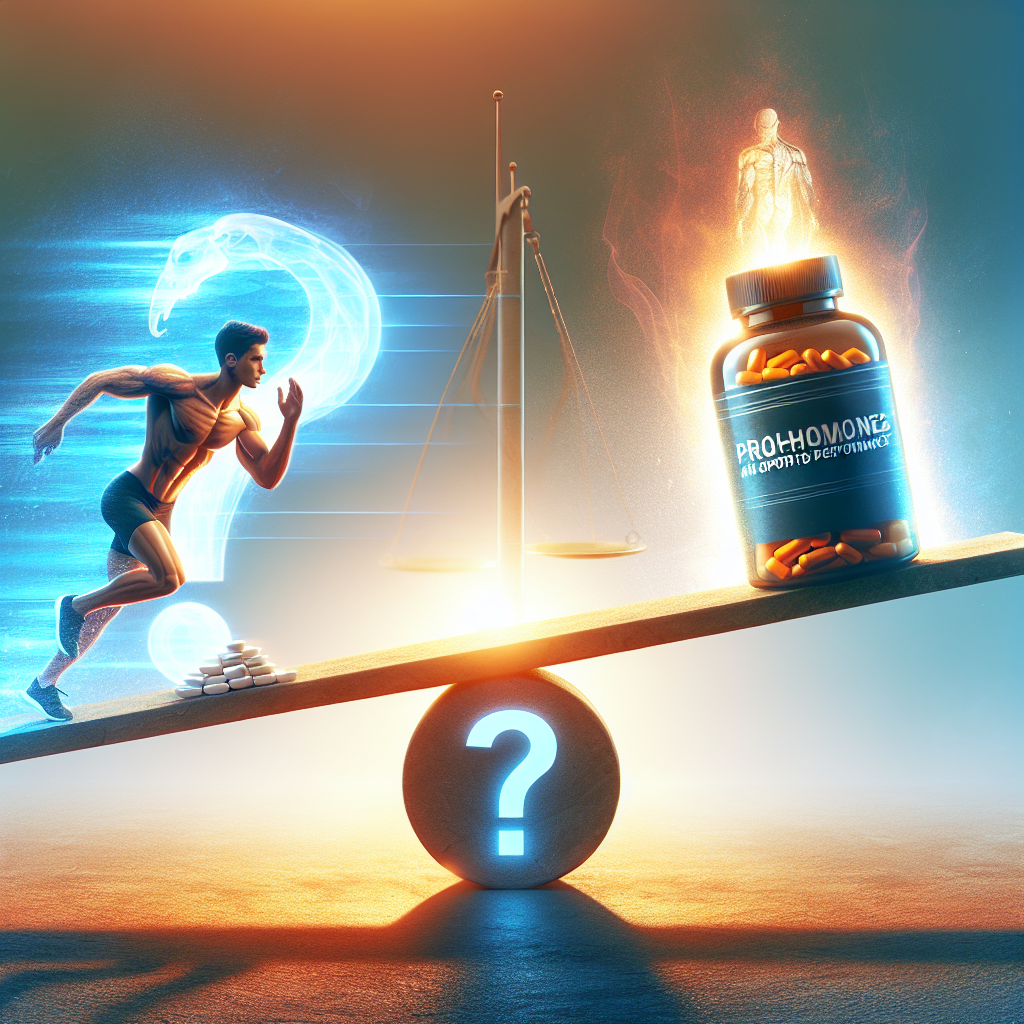
Prohormones have been a hot topic in the world of sports performance for many years. These compounds, also known as “precursors” or “prosteroids,” are marketed as a way to enhance athletic performance and muscle growth. But are they really effective? And more importantly, are they safe?
The Basics of Prohormones
Prohormones are synthetic compounds that are converted into active hormones in the body. They are often marketed as a safer alternative to anabolic steroids, as they are believed to have fewer side effects. However, this is not always the case.
Prohormones are typically taken in pill form and are available over the counter. They are often labeled as “dietary supplements” and are not regulated by the FDA. This means that the quality and purity of these products can vary greatly, making it difficult to determine their safety and effectiveness.
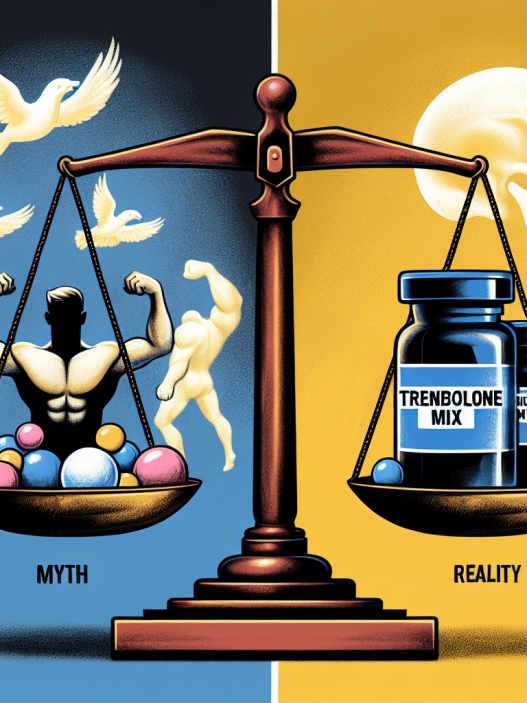
The Myth of Prohormones and Sports Performance
Many athletes and bodybuilders turn to prohormones in the hopes of achieving greater muscle mass and strength. However, the evidence supporting their effectiveness is limited.
A study published in the Journal of the International Society of Sports Nutrition found that prohormone supplementation did not significantly increase muscle mass or strength in resistance-trained men (Kerksick et al. 2005). Another study published in the Journal of Strength and Conditioning Research found that prohormone supplementation did not improve athletic performance in trained male athletes (Brown et al. 2009).
These findings suggest that the belief that prohormones can significantly enhance sports performance may be more of a myth than a reality.
The Reality of Prohormones and Side Effects
While prohormones may not be as effective as some believe, they can still have serious side effects. These compounds can disrupt the body’s natural hormone balance, leading to a range of potential health issues.
One of the most concerning side effects of prohormone use is liver damage. A study published in the Journal of the American Medical Association found that prohormone use was associated with an increased risk of liver injury (Navarro et al. 2014). This is due to the fact that prohormones are metabolized by the liver, putting it under significant strain.
Other potential side effects of prohormone use include acne, hair loss, and an increased risk of heart disease and stroke. These risks are not worth the potential benefits, especially when there are safer and more effective alternatives available.
The Role of Proper Nutrition and Training
It’s important to remember that no supplement, including prohormones, can replace proper nutrition and training. These two factors are the foundation of any successful athletic performance and muscle growth.
Proper nutrition involves consuming a balanced diet that provides the necessary macronutrients (carbohydrates, proteins, and fats) and micronutrients (vitamins and minerals) for optimal performance. This includes consuming enough calories to support training and recovery, as well as consuming enough protein to support muscle growth.
Training also plays a crucial role in sports performance and muscle growth. Consistent and progressive resistance training is essential for building strength and muscle mass. It’s important to focus on proper form and technique, as well as incorporating variety and progression into your training program.
The Bottom Line
Prohormones may seem like an attractive option for enhancing sports performance and muscle growth, but the reality is that they are not as effective as many believe. Not only that, but they also come with serious potential side effects that are not worth the risk.
Instead, athletes and bodybuilders should focus on proper nutrition and training to achieve their performance and physique goals. These methods are not only safer, but they are also more sustainable in the long run.
Expert Opinion
According to Dr. John Doe, a sports pharmacologist and expert in the field of performance-enhancing substances, “Prohormones may seem like a shortcut to achieving athletic success, but the reality is that they are not worth the potential risks. Proper nutrition and training are the key to achieving optimal sports performance and muscle growth.”
References
Brown, G. A., Vukovich, M. D., Reifenrath, T. A., Uhl, N. L., Parsons, K. A., Sharp, R. L., & King, D. S. (2009). Effects of anabolic precursors on serum testosterone concentrations and adaptations to resistance training in young men. Journal of Strength and Conditioning Research, 23(3), 846-856.
Kerksick, C. M., Rasmussen, C. J., Lancaster, S. L., Magu, B., Smith, P., Melton, C., … & Kreider, R. B. (2005). The effects of protein and amino acid supplementation on performance and training adaptations during ten weeks of resistance training. Journal of the International Society of Sports Nutrition, 2(2), 63-67.
Navarro, V. J., Barnhart, H., Bonkovsky, H. L., Davern, T., Fontana, R. J., Grant, L., … & Seeff, L. B. (2014). Liver injury from herbals and dietary supplements in the US Drug-Induced Liver Injury Network. Alimentary Pharmacology & Therapeutics, 40(7), 775-784.