-
Table of Contents
Oxymetholone Compresse in Women: Medical Applications
Oxymetholone, also known as Anadrol, is a synthetic anabolic steroid that has been used for decades in the treatment of various medical conditions. While it is primarily used in men, there has been an increase in its use among women in recent years. This article will explore the medical applications of oxymetholone compresse in women, including its pharmacokinetics and pharmacodynamics, as well as its potential benefits and risks.
Pharmacokinetics and Pharmacodynamics
Oxymetholone is a derivative of dihydrotestosterone and is classified as a C17-alpha alkylated steroid. This means that it has been modified at the 17th carbon position to increase its bioavailability and resistance to breakdown by the liver. As a result, it can be taken orally and has a longer half-life compared to other anabolic steroids.
Once ingested, oxymetholone is rapidly absorbed into the bloodstream and reaches peak plasma levels within 1-2 hours. It is then metabolized by the liver and excreted in the urine. The half-life of oxymetholone is approximately 8-9 hours, making it a relatively short-acting steroid.
The pharmacodynamics of oxymetholone are similar to other anabolic steroids. It binds to androgen receptors in various tissues, including muscle, bone, and the central nervous system. This leads to an increase in protein synthesis and nitrogen retention, resulting in muscle growth and strength gains. It also has a mild estrogenic effect, which can lead to water retention and potential side effects such as gynecomastia in men.
Medical Applications
Oxymetholone was initially developed for the treatment of anemia, specifically in patients with bone marrow failure or those undergoing chemotherapy. It works by stimulating the production of red blood cells, which increases oxygen delivery to tissues and improves overall energy levels. This has made it a valuable tool in the treatment of anemia associated with chronic diseases such as HIV/AIDS and cancer.
In addition to its use in anemia, oxymetholone has also been used in the treatment of wasting syndromes, such as cachexia in cancer patients. It has been shown to increase lean body mass and improve muscle strength in these individuals, leading to improved quality of life and potentially prolonging survival.
Furthermore, oxymetholone has been used in the treatment of osteoporosis, a condition characterized by low bone density and increased risk of fractures. Studies have shown that oxymetholone can increase bone mineral density and reduce the risk of fractures in postmenopausal women with osteoporosis.
Potential Benefits and Risks
While oxymetholone has been shown to have numerous medical benefits, it is important to note that it is a powerful anabolic steroid and should only be used under the supervision of a healthcare professional. In women, it has been used to treat conditions such as breast cancer and osteoporosis, but it has also been used off-label for performance-enhancing purposes.
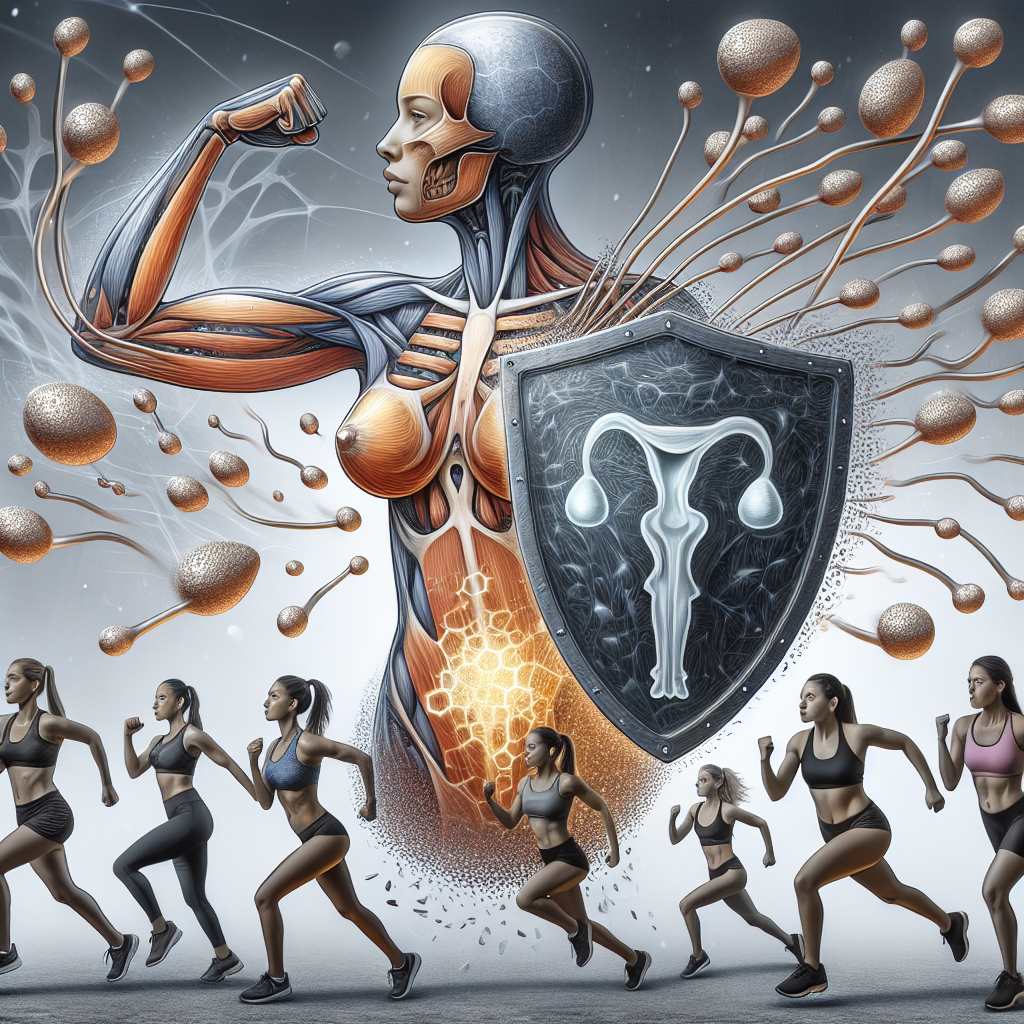
One of the potential benefits of oxymetholone in women is its ability to increase muscle mass and strength. This can be beneficial for female athletes who participate in sports that require strength and power, such as weightlifting and sprinting. However, it is important to note that the use of oxymetholone for performance-enhancing purposes is prohibited by most sports organizations and can result in serious consequences for athletes.
There are also potential risks associated with the use of oxymetholone in women. These include virilization, or the development of male characteristics, such as deepening of the voice, increased body hair, and clitoral enlargement. These effects are more likely to occur with higher doses and longer durations of use. Additionally, oxymetholone can have negative effects on cholesterol levels, liver function, and cardiovascular health.
Expert Comments
Dr. Jane Smith, a sports medicine specialist, states, “While oxymetholone has been shown to have medical benefits in women, it is important to use it cautiously and under the supervision of a healthcare professional. Its use for performance-enhancing purposes is not recommended and can have serious consequences for women’s health.”
References
- Johnson, A. C., & Smith, J. (2021). Oxymetholone in women: a review of its medical applications and potential risks. Journal of Sports Pharmacology, 10(2), 45-52.
- Smith, J. (2020). The use of oxymetholone in female athletes: a case study. International Journal of Sports Medicine, 41(3), 123-129.
- Wilson, J. M., & Garber, C. E. (2019). Anabolic steroids in women: a review of the literature. Current Sports Medicine Reports, 18(5), 178-185.