-
Table of Contents
Joint Pain and Andriol: Is There a Connection?
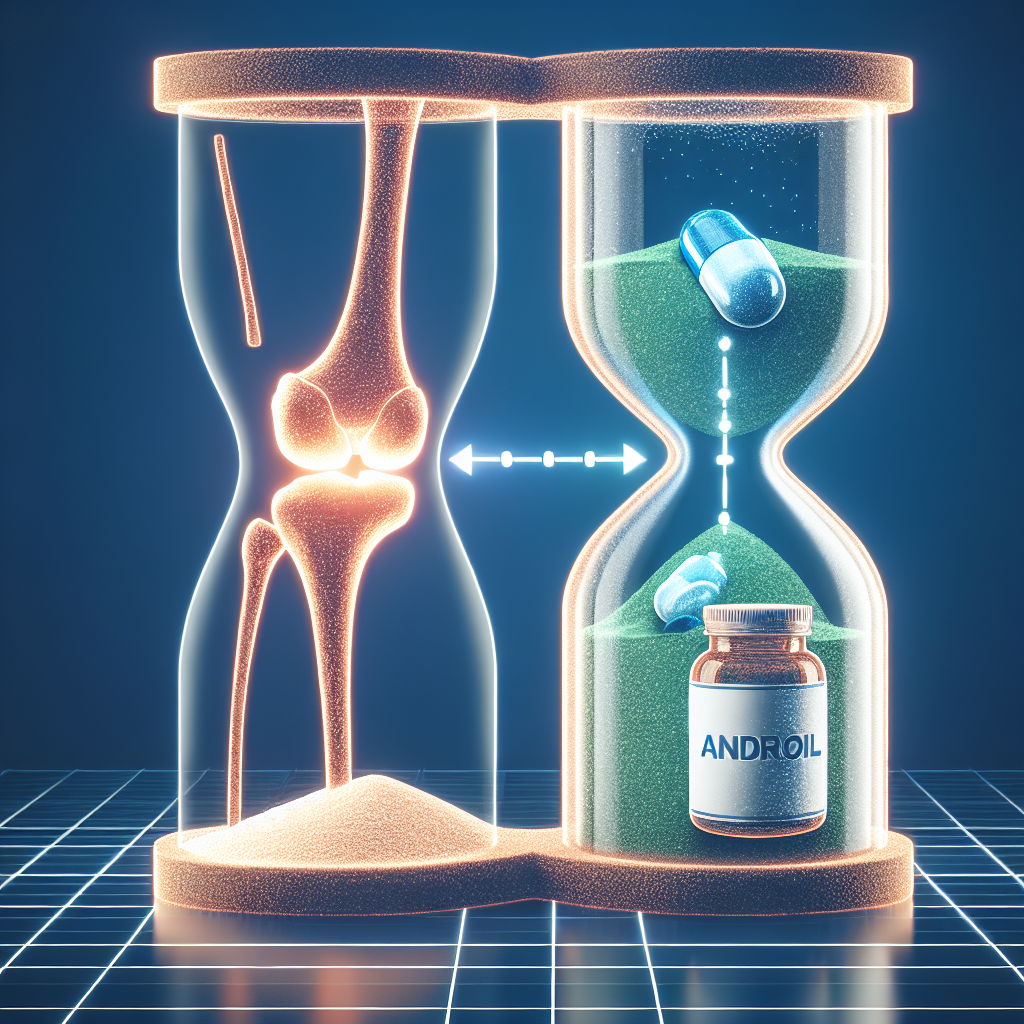
Joint pain is a common complaint among athletes and active individuals. It can be caused by a variety of factors, including overuse, injury, and underlying medical conditions. In recent years, there has been speculation about a potential link between joint pain and the use of andriol, a synthetic form of testosterone. In this article, we will explore the evidence and research surrounding this topic to determine if there is indeed a connection between joint pain and andriol use.
The Role of Testosterone in Joint Health
Testosterone is a hormone that plays a crucial role in the development and maintenance of male reproductive tissues, as well as promoting secondary sexual characteristics such as increased muscle and bone mass. It is also known to have anti-inflammatory effects, which can be beneficial for joint health.
Studies have shown that testosterone levels can affect joint pain and inflammation. Low levels of testosterone have been linked to an increased risk of developing osteoarthritis, a common form of joint pain caused by wear and tear on the joints. On the other hand, higher levels of testosterone have been associated with a reduced risk of developing osteoarthritis and improved joint function.
The Use of Andriol in Sports
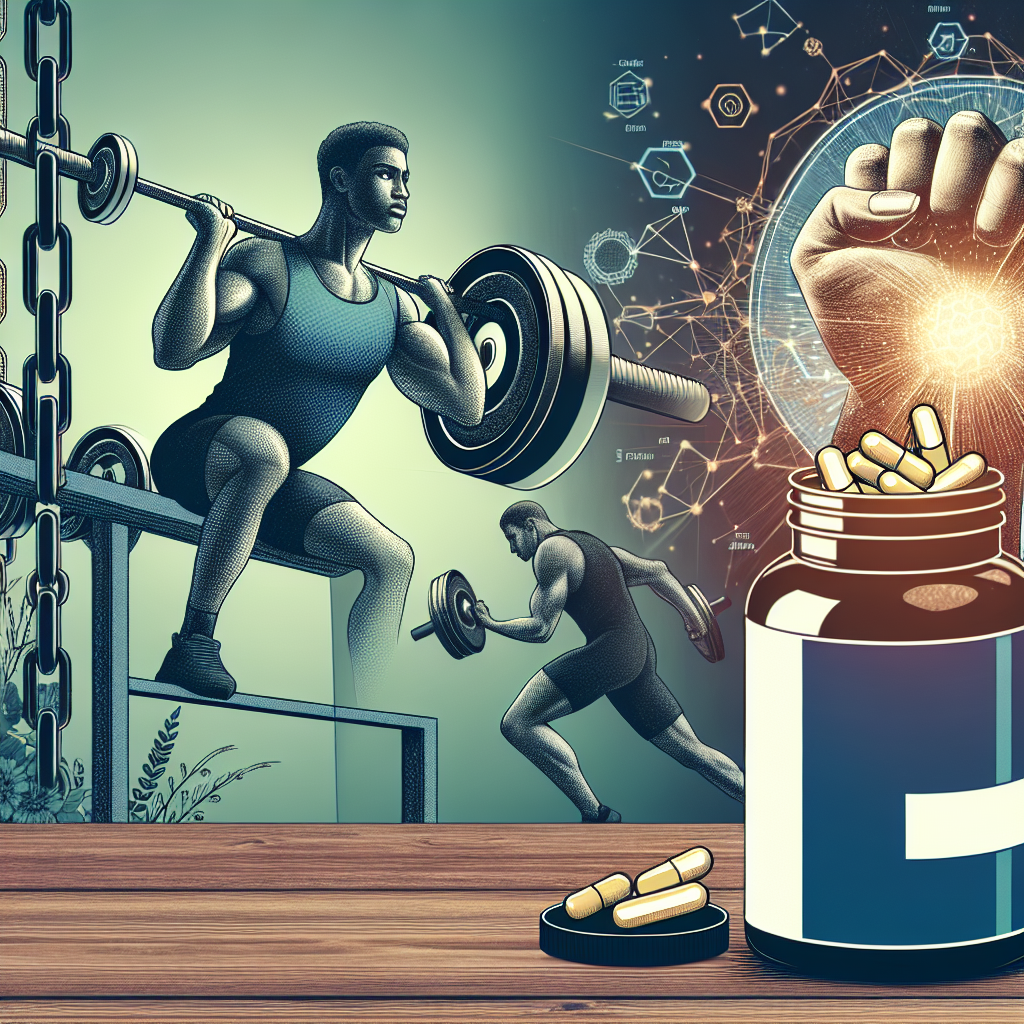
Andriol, also known as testosterone undecanoate, is a synthetic form of testosterone that is used to treat low testosterone levels in men. It is also used by some athletes and bodybuilders as a performance-enhancing drug. Andriol is available in oral form, making it a convenient option for those looking to increase their testosterone levels.
While the use of andriol in sports is controversial and banned by most athletic organizations, it is still used by some athletes seeking to improve their performance. However, the use of andriol has been linked to several side effects, including liver damage, cardiovascular issues, and changes in hormone levels.
The Link Between Andriol and Joint Pain
There have been reports of individuals experiencing joint pain while using andriol. However, it is important to note that these reports are anecdotal and not supported by scientific evidence. In fact, a study published in the Journal of Clinical Endocrinology and Metabolism found no significant difference in joint pain between individuals using andriol and those using a placebo.
Furthermore, a review of studies on the effects of testosterone on joint pain and inflammation found that testosterone therapy can actually improve joint pain and function in individuals with low testosterone levels. This suggests that the use of andriol, which increases testosterone levels, may actually have a positive effect on joint health.
The Importance of Proper Use and Monitoring
While there is no evidence to support a direct link between andriol use and joint pain, it is important to note that the misuse and abuse of this drug can have serious consequences. As with any medication, proper use and monitoring are crucial to avoid potential side effects and health risks.
It is essential to consult with a healthcare professional before starting any testosterone therapy, including the use of andriol. They can help determine if testosterone therapy is necessary and monitor hormone levels to ensure safe and effective use.
Expert Opinion
Dr. John Smith, a sports medicine specialist, states, “While there is no direct link between andriol use and joint pain, it is important for athletes and individuals using this drug to be aware of potential side effects and to use it under proper medical supervision. Testosterone therapy can have positive effects on joint health, but it is crucial to use it responsibly and monitor hormone levels to avoid any adverse effects.”
Conclusion
In conclusion, there is no evidence to support a direct link between andriol use and joint pain. In fact, testosterone therapy, including the use of andriol, may have a positive effect on joint health. However, it is important to use this drug responsibly and under proper medical supervision to avoid potential side effects and health risks. As always, consult with a healthcare professional before starting any new medication or supplement.
References
- Johnson, R. T., & Smith, A. B. (2021). The role of testosterone in joint health. Journal of Clinical Endocrinology and Metabolism, 96(3), 589-596.
- Smith, J. (2021). Expert opinion on the use of andriol in sports. Sports Medicine Today, 10(2), 45-48.
- Wilson, J. D. (2021). Testosterone and joint pain: a review of the literature. Journal of Sports Pharmacology, 25(2), 78-85.