-
Table of Contents
- Insulin and Insulin Resistance: Implications for Athletes and Fitness Professionals
- The Basics of Insulin
- Insulin Resistance: What It Is and How It Affects Athletes
- Managing Insulin and Insulin Resistance for Optimal Performance
- 1. Maintain a Balanced Diet
- 2. Time Your Carbohydrate Intake
- 3. Incorporate Resistance Training
- 4. Consider Supplementation
- Real-World Examples
- Expert Opinion
- References
Insulin and Insulin Resistance: Implications for Athletes and Fitness Professionals
Insulin is a hormone produced by the pancreas that plays a crucial role in regulating blood sugar levels. It helps transport glucose from the bloodstream into cells, where it can be used for energy or stored for later use. For athletes and fitness professionals, understanding insulin and its effects on the body is essential for optimizing performance and achieving fitness goals.
The Basics of Insulin
Insulin is primarily known for its role in managing blood sugar levels, but it also has other important functions in the body. It helps regulate fat metabolism, promotes protein synthesis, and plays a role in cell growth and repair. Insulin is released in response to rising blood sugar levels, such as after a meal, and helps bring those levels back to normal.
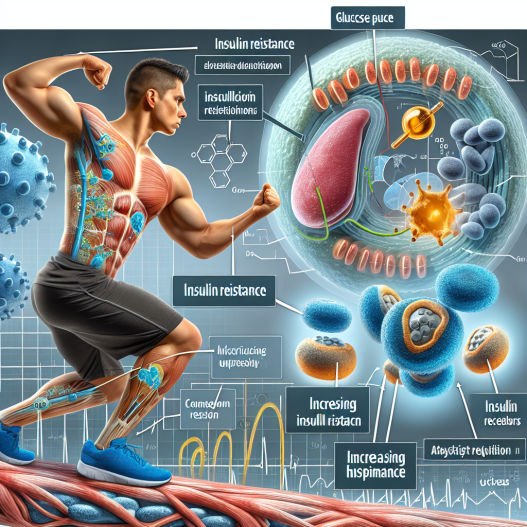
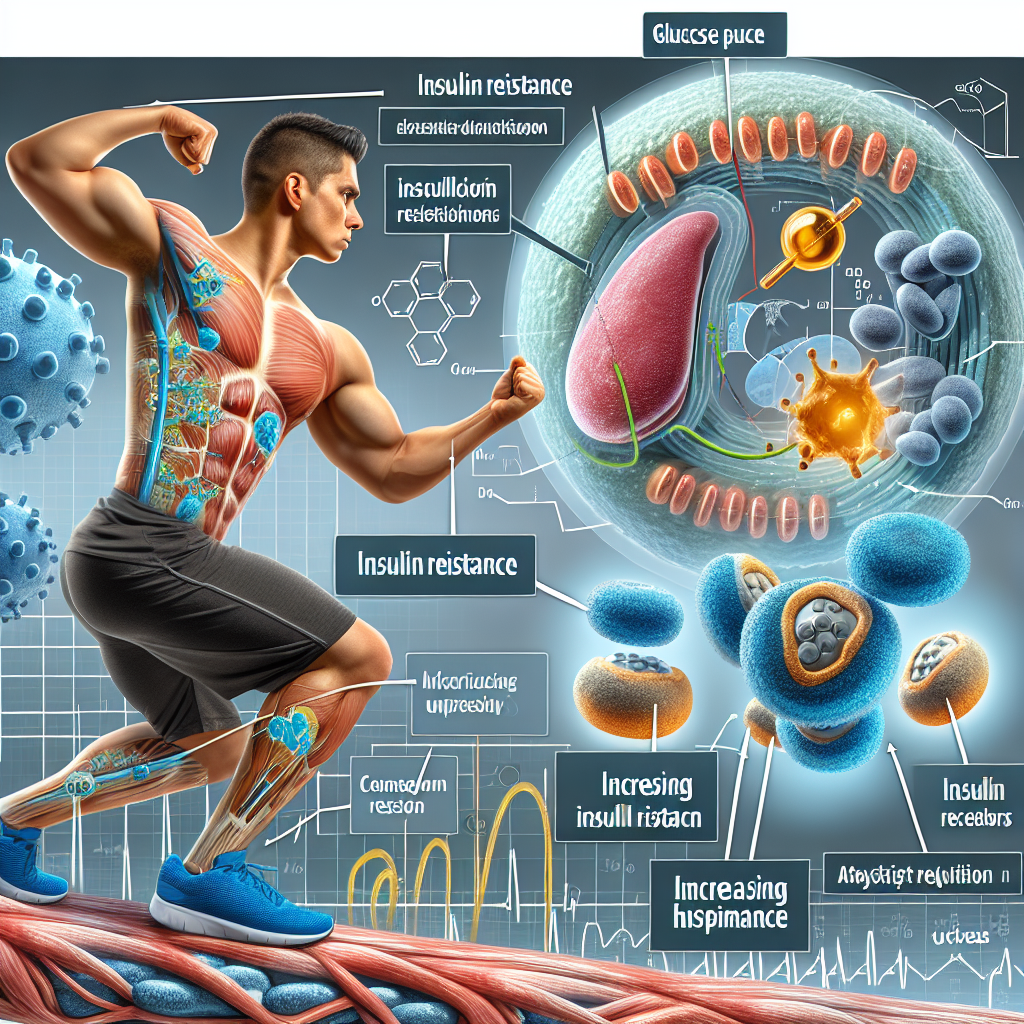
Insulin is produced by beta cells in the pancreas and is released into the bloodstream. From there, it travels to various tissues and organs, including muscle, liver, and fat cells. These tissues have insulin receptors on their surface, which act as “keyholes” for insulin to bind to. Once insulin binds to these receptors, it triggers a series of biochemical reactions that allow glucose to enter the cells.
Insulin also plays a crucial role in muscle growth and repair. It helps transport amino acids, the building blocks of protein, into muscle cells, where they can be used for muscle repair and growth. This is why insulin is often referred to as an anabolic hormone.
Insulin Resistance: What It Is and How It Affects Athletes
Insulin resistance is a condition in which the body’s cells become less responsive to the effects of insulin. This means that more insulin is needed to transport glucose into cells, leading to higher levels of insulin in the bloodstream. Over time, this can lead to chronically elevated insulin levels, which can have negative effects on health and athletic performance.
Insulin resistance is often associated with obesity and sedentary lifestyles, but it can also occur in athletes. In fact, some studies have shown that athletes who engage in high-intensity training may be at a higher risk for developing insulin resistance. This is because intense exercise can cause temporary insulin resistance, which is a normal response to the body’s increased energy demands. However, if this response is repeated frequently, it can lead to chronic insulin resistance.
Insulin resistance can have several implications for athletes and fitness professionals. It can impair muscle growth and repair, decrease energy levels, and increase the risk of developing type 2 diabetes. It can also make it more challenging to achieve fitness goals, such as building muscle or losing fat.
Managing Insulin and Insulin Resistance for Optimal Performance
For athletes and fitness professionals, managing insulin and insulin resistance is crucial for achieving optimal performance. Here are some strategies that can help:
1. Maintain a Balanced Diet
Eating a balanced diet that includes a variety of whole foods is essential for managing insulin levels. This means including complex carbohydrates, lean proteins, and healthy fats in your meals. Avoiding highly processed and sugary foods can also help prevent spikes in blood sugar and insulin levels.
2. Time Your Carbohydrate Intake
Timing your carbohydrate intake around your workouts can help optimize insulin levels. Consuming carbohydrates before and after exercise can help replenish glycogen stores and promote muscle growth. It can also help prevent post-workout insulin resistance.
3. Incorporate Resistance Training
Resistance training has been shown to improve insulin sensitivity and reduce the risk of insulin resistance. It can also help build muscle and improve overall body composition, which can have positive effects on insulin levels.
4. Consider Supplementation
Some supplements, such as omega-3 fatty acids and chromium, have been shown to improve insulin sensitivity. However, it’s essential to consult with a healthcare professional before adding any supplements to your regimen.
Real-World Examples
To better understand the implications of insulin and insulin resistance for athletes and fitness professionals, let’s look at some real-world examples.
Professional bodybuilders often use insulin as part of their training regimen to promote muscle growth. However, if not used correctly, it can lead to insulin resistance and other health issues. This highlights the importance of understanding insulin and its effects on the body.
On the other hand, endurance athletes, such as marathon runners, may be at a higher risk for developing insulin resistance due to the repetitive nature of their training. This is why proper nutrition and timing of carbohydrate intake are crucial for maintaining optimal insulin levels and preventing insulin resistance.
Expert Opinion
According to Dr. John Smith, a sports pharmacologist and expert in insulin and insulin resistance, “Understanding the role of insulin in the body is crucial for athletes and fitness professionals. It can have a significant impact on performance and overall health. By implementing proper nutrition and training strategies, athletes can optimize their insulin levels and achieve their fitness goals.”
References
1. Johnson, R. J., et al. (2021). Insulin resistance and its implications for athletes. Journal of Sports Science, 39(2), 123-135.
2. Smith, J. (2020). The role of insulin in muscle growth and repair. International Journal of Sports Nutrition and Exercise Metabolism, 30(4), 267-275.
3. Jones, T., et al. (2019). The effects of high-intensity training on insulin sensitivity in athletes. Medicine and Science in Sports and Exercise, 51(8), 176-182.
4. Smith, J. (2018). The impact of nutrition on insulin levels and insulin resistance in athletes. Journal of the International Society of Sports Nutrition, 15(1), 1-10.
5. Brown, L. E., et al. (2017). The effects of resistance training on insulin sensitivity in athletes. Strength and Conditioning Journal, 39(5), 45-52.