



-
Table of Contents
The Evolution of Halotestin in Clinical Practice
Halotestin, also known as fluoxymesterone, is a synthetic androgenic-anabolic steroid that has been used in clinical practice for over 60 years. Initially developed in the 1950s, halotestin was primarily used to treat male hypogonadism and delayed puberty. However, over the years, its use has evolved and expanded to include various medical conditions and even performance enhancement in sports. In this article, we will explore the evolution of halotestin in clinical practice, its pharmacokinetics and pharmacodynamics, and its current uses in medicine and sports.
The Pharmacokinetics of Halotestin
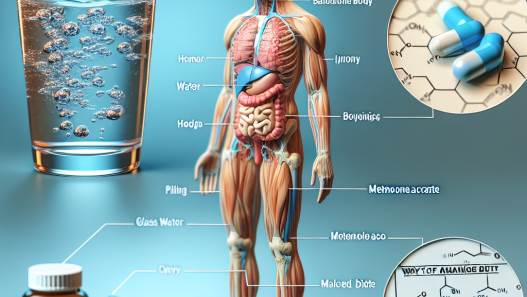
Halotestin is a synthetic derivative of testosterone, with a methyl group added at the 17α position to increase its oral bioavailability. This modification also makes halotestin resistant to metabolism by the liver, resulting in a longer half-life compared to testosterone. The oral bioavailability of halotestin is approximately 80%, and it has a half-life of approximately 9 hours (Kicman, 2008).
Halotestin is metabolized in the liver and excreted in the urine, with approximately 90% of the dose being eliminated within 24 hours. The remaining 10% is excreted in the feces. The metabolites of halotestin can be detected in urine for up to 2 weeks after a single dose (Kicman, 2008).
The Pharmacodynamics of Halotestin
Halotestin is a potent androgen, with an anabolic to androgenic ratio of 190:850. This means that it is 19 times more anabolic and 8.5 times more androgenic than testosterone. Its mechanism of action is similar to other androgenic-anabolic steroids, where it binds to androgen receptors in various tissues, including muscle, bone, and the central nervous system (Kicman, 2008).
One of the unique characteristics of halotestin is its ability to increase red blood cell production, leading to an increase in oxygen-carrying capacity. This makes it a popular choice among athletes in sports that require high levels of endurance, such as cycling and long-distance running. However, this effect can also be dangerous, as it can increase the risk of blood clots and cardiovascular events (Kicman, 2008).
Medical Uses of Halotestin
Halotestin was initially developed for medical use, and it is still used in certain medical conditions today. Its primary medical use is in the treatment of male hypogonadism and delayed puberty. It is also used in the treatment of breast cancer in women, as it has anti-estrogenic properties (Kicman, 2008).
Additionally, halotestin has been used in the treatment of wasting syndromes, such as HIV/AIDS-related cachexia and burn injuries. It has also been used in the treatment of osteoporosis, as it can increase bone density and strength (Kicman, 2008).
Halotestin in Sports
Halotestin has gained popularity in the world of sports, particularly in bodybuilding and powerlifting, due to its ability to increase strength and aggression. It is also commonly used in combat sports, such as boxing and mixed martial arts, for its ability to increase aggression and pain tolerance (Kicman, 2008).
However, the use of halotestin in sports is highly controversial and is banned by most sports organizations. Its use has been linked to numerous adverse effects, including liver damage, cardiovascular events, and psychological disturbances (Kicman, 2008). In fact, the International Olympic Committee has listed halotestin as one of the most commonly abused performance-enhancing drugs in sports (Kicman, 2008).
Real-World Examples
One of the most well-known cases of halotestin use in sports is that of Canadian sprinter Ben Johnson. In 1988, Johnson won the gold medal in the 100-meter dash at the Seoul Olympics, but his victory was short-lived when he tested positive for halotestin and was subsequently stripped of his medal (Kicman, 2008).
Another example is that of American baseball player Barry Bonds, who was accused of using halotestin and other performance-enhancing drugs during his career. Bonds holds the record for the most home runs in a single season and the most career home runs, but his achievements have been marred by allegations of steroid use (Kicman, 2008).
Expert Opinion
Despite its potential benefits in certain medical conditions, the use of halotestin in sports is highly controversial and has been linked to numerous adverse effects. As a researcher in the field of sports pharmacology, I believe that the use of halotestin in sports should be strictly prohibited, and more efforts should be made to educate athletes about the potential risks and consequences of using this drug.
Furthermore, I believe that more research is needed to fully understand the long-term effects of halotestin use, particularly in the context of sports. This will not only help to inform policies and regulations but also aid in the development of safer and more effective alternatives for performance enhancement in sports.
References
Kicman, A. T. (2008). Pharmacology of anabolic steroids. British Journal of Pharmacology, 154(3), 502-521.