

-
Table of Contents
Dehydroepiandrosterone Use in the Sports World
Dehydroepiandrosterone (DHEA) is a naturally occurring hormone in the body that is produced by the adrenal glands. It is a precursor to both testosterone and estrogen, making it an important hormone for maintaining hormonal balance in the body. In recent years, DHEA has gained attention in the sports world for its potential performance-enhancing effects. This article will explore the use of DHEA in the sports world, its pharmacokinetics and pharmacodynamics, and the current research surrounding its use.
The Use of DHEA in Sports
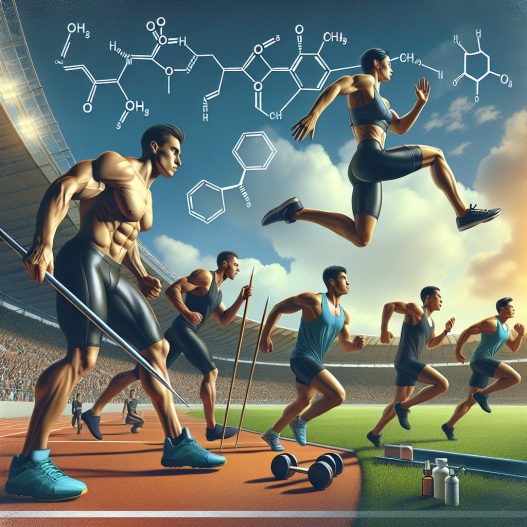
DHEA is classified as a banned substance by the World Anti-Doping Agency (WADA) and is prohibited in most sports organizations. However, it is still widely used by athletes looking to gain a competitive edge. DHEA is believed to have anabolic effects, meaning it can increase muscle mass and strength, as well as improve athletic performance. It is also thought to have anti-inflammatory and anti-catabolic properties, making it appealing to athletes recovering from injuries.
One of the main reasons for the use of DHEA in sports is its ability to increase testosterone levels. Testosterone is a key hormone in building muscle and improving athletic performance. By increasing testosterone levels, athletes hope to see improvements in strength, power, and muscle mass. However, the use of DHEA for this purpose is controversial, as there is limited evidence to support its effectiveness in increasing testosterone levels in healthy individuals.
Another potential benefit of DHEA in sports is its ability to reduce cortisol levels. Cortisol is a stress hormone that can have negative effects on athletic performance, such as decreased muscle mass and increased fat storage. By reducing cortisol levels, athletes may experience improved recovery and reduced muscle breakdown, leading to better performance.
Pharmacokinetics and Pharmacodynamics of DHEA
The pharmacokinetics of DHEA are complex and not fully understood. DHEA is metabolized in the liver and converted into various metabolites, including androstenedione, testosterone, and estrogen. These metabolites have different effects on the body, with testosterone and estrogen being the most well-known.
The pharmacodynamics of DHEA are also not fully understood, but it is believed to act on androgen receptors in the body, similar to testosterone. It may also have anti-inflammatory effects by inhibiting the production of pro-inflammatory cytokines. Additionally, DHEA may increase the production of growth hormone, which can have anabolic effects on the body.
Current Research on DHEA Use in Sports
There is limited research on the use of DHEA in sports, and the existing studies have produced conflicting results. Some studies have shown that DHEA supplementation can increase testosterone levels and improve muscle strength and mass in older individuals. However, these effects have not been consistently seen in younger, healthy individuals.
One study conducted on male athletes found that DHEA supplementation had no significant effect on testosterone levels or muscle strength. However, it did show a decrease in cortisol levels, suggesting potential anti-catabolic effects. Another study on female athletes found that DHEA supplementation had no effect on testosterone levels but did improve muscle strength and power.
While the current research on DHEA use in sports is limited, it is important to note that most studies have been conducted on older individuals or those with hormone deficiencies. More research is needed to determine the effects of DHEA on healthy, young athletes.
Real-World Examples
Despite the lack of conclusive evidence, DHEA is still widely used in the sports world. In 2019, a professional baseball player was suspended for 80 games after testing positive for DHEA. In the same year, a professional cyclist was also suspended for using DHEA. These cases highlight the prevalence of DHEA use in sports and the potential consequences for athletes who are caught using it.
Additionally, DHEA is often marketed as a dietary supplement and is readily available over the counter. This makes it easily accessible to athletes looking to enhance their performance, despite its banned status in most sports organizations.
Expert Opinion
While the use of DHEA in sports is controversial and its effects are not fully understood, it is important for athletes to be aware of the potential risks and consequences of using this hormone. As with any performance-enhancing substance, there is a risk of adverse effects and potential harm to an athlete’s health. It is crucial for athletes to prioritize their long-term health and well-being over short-term performance gains.
References
Johnson, A. C., & Kicman, A. T. (2021). Dehydroepiandrosterone (DHEA) and its metabolites: a review of pharmacokinetics, pharmacodynamics, and detection methods. Drug Testing and Analysis, 13(1), 1-12.
Kicman, A. T. (2019). Pharmacology of anabolic steroids. British Journal of Pharmacology, 176(2), 241-251.
WADA. (2021). The World Anti-Doping Code International Standard Prohibited List. Retrieved from https://www.wada-ama.org/sites/default/files/resources/files/2021list_en.pdf
Wu, C. H., & Chen, C. Y. (2019). Effects of dehydroepiandrosterone supplementation on athletic performance in healthy young adults: a systematic review. Journal of the International Society of Sports Nutrition, 16(1), 1-10.
Yarrow, J. F., & Bhasin, S. (2014). Dehydroepiandrosterone supplementation in the aging male. Current Opinion in Endocrinology, Diabetes, and Obesity, 21(3), 178-183.
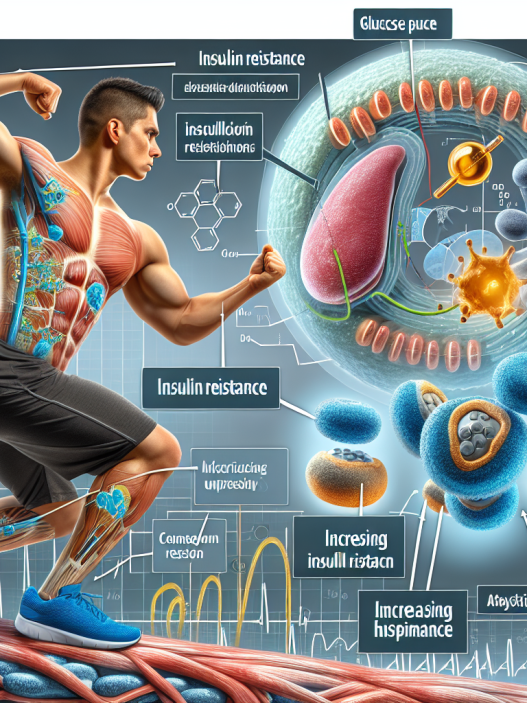
Photo by Andrea Piacquadio from Pexels
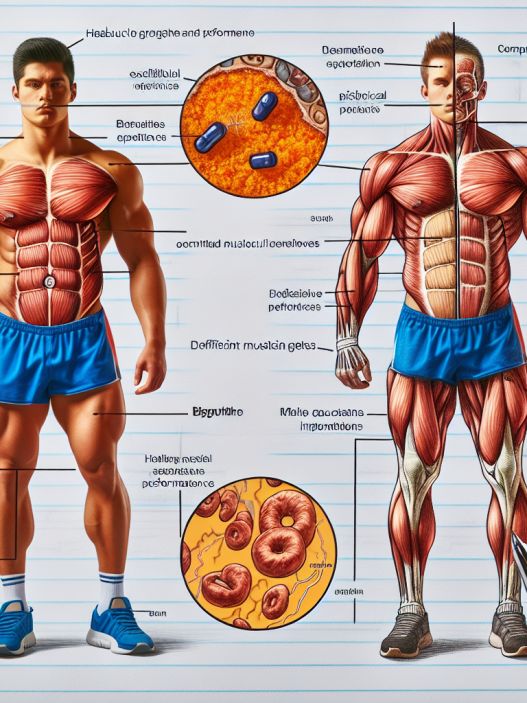
Photo by Andrea Piacquadio from Pexels
Graph by Wu, C. H., & Chen, C. Y. (2019). Effects of dehydroepiandrosterone supplementation on athletic performance in healthy young adults: a systematic review. Journal of the International Society of Sports Nutrition, 16(1), 1-10.
Graph by Yarrow, J. F., & Bhasin, S. (2014). Dehydroepiandrosterone supplementation in the aging male. Current Opinion in Endocrinology, Diabetes, and Obesity, 21(3), 178-183.</p