-
Table of Contents
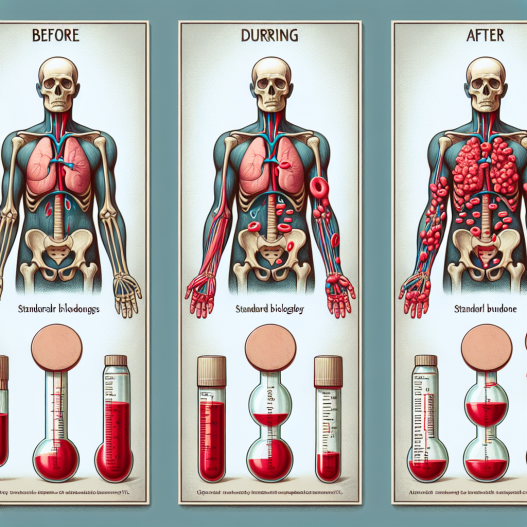
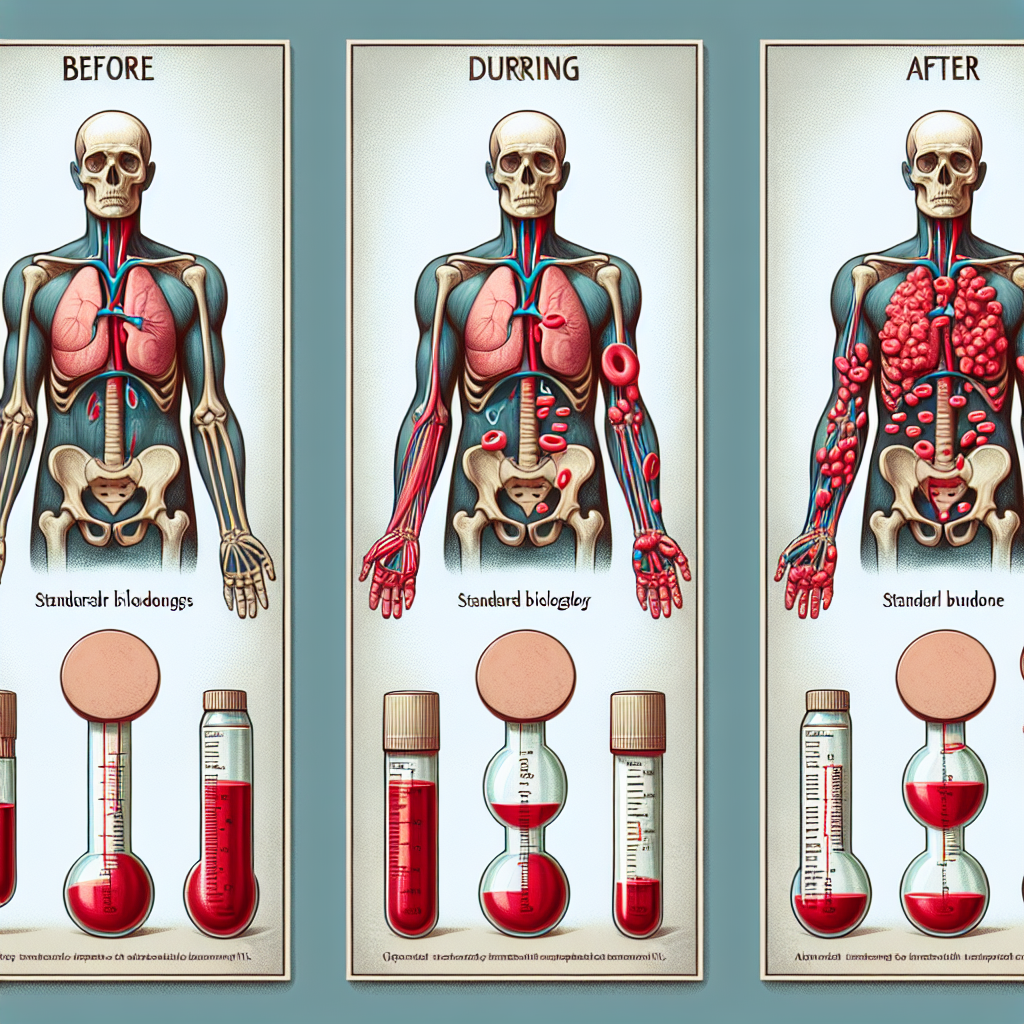
Bloodwork Before, During, and After Metildrostanolone: A Comprehensive Guide
Metildrostanolone, also known as Superdrol, is a popular anabolic steroid used by athletes and bodybuilders to enhance muscle growth and performance. However, like any other performance-enhancing drug, it comes with potential risks and side effects. That’s why it is crucial to monitor your bloodwork before, during, and after using metildrostanolone to ensure your safety and optimize your results.
What is Metildrostanolone?
Metildrostanolone is a synthetic androgenic-anabolic steroid derived from dihydrotestosterone (DHT). It was first developed in the 1950s and was used medically to treat conditions such as muscle wasting diseases and osteoporosis. However, due to its potent anabolic effects, it quickly gained popularity among athletes and bodybuilders as a performance-enhancing drug.
Metildrostanolone is known for its high anabolic to androgenic ratio, making it a powerful muscle-building compound. It works by binding to androgen receptors in the body, promoting protein synthesis and increasing nitrogen retention, leading to increased muscle mass and strength.
Bloodwork Before Starting Metildrostanolone
Before starting any performance-enhancing drug, it is essential to get a comprehensive bloodwork panel done. This will give you a baseline of your current health status and help you identify any potential risks or underlying conditions that may be affected by the use of metildrostanolone.
The following are some of the key parameters that should be included in your bloodwork before starting metildrostanolone:
- Liver Function Tests: Metildrostanolone is known to be hepatotoxic, meaning it can cause liver damage. Therefore, it is crucial to check your liver enzymes, such as ALT, AST, and bilirubin, before starting the drug. If your liver enzymes are already elevated, it may not be safe for you to use metildrostanolone.
- Lipid Profile: Anabolic steroids can affect your lipid profile, increasing your risk of cardiovascular diseases. It is essential to check your cholesterol levels, including HDL and LDL, before starting metildrostanolone. If your cholesterol levels are already high, you may need to make dietary and lifestyle changes before using the drug.
- Testosterone Levels: Metildrostanolone is a synthetic form of testosterone, and its use can suppress your body’s natural testosterone production. It is crucial to check your testosterone levels before starting the drug to ensure that you are not already suffering from low testosterone levels.
- Complete Blood Count (CBC): A CBC test will give you an overview of your overall health, including your red blood cell count, white blood cell count, and hemoglobin levels. Anabolic steroids can affect your blood cell counts, and it is essential to monitor them regularly to avoid any potential complications.
Getting a comprehensive bloodwork panel done before starting metildrostanolone will not only help you identify any potential risks but also give you a baseline to compare your results during and after using the drug.
Bloodwork During Metildrostanolone Cycle
While using metildrostanolone, it is crucial to monitor your bloodwork regularly to ensure that your body is responding well to the drug and to identify any potential side effects. The frequency of bloodwork during the cycle may vary depending on the individual and the dosage used. However, it is recommended to get bloodwork done at least once every 4-6 weeks.
The following are some of the key parameters that should be included in your bloodwork during a metildrostanolone cycle:
- Liver Function Tests: As mentioned earlier, metildrostanolone is hepatotoxic, and regular monitoring of liver enzymes is crucial to ensure that your liver is not being damaged by the drug. If your liver enzymes are significantly elevated, it may be necessary to stop using the drug immediately.
- Lipid Profile: Anabolic steroids can affect your cholesterol levels, and it is essential to monitor them regularly during the cycle. If your cholesterol levels are getting too high, you may need to make dietary and lifestyle changes or consider using cholesterol-lowering medications.
- Testosterone Levels: Metildrostanolone can suppress your body’s natural testosterone production, and it is crucial to monitor your testosterone levels during the cycle. If your testosterone levels are getting too low, you may need to add a testosterone replacement therapy (TRT) to your cycle to maintain healthy levels.
- Complete Blood Count (CBC): Regular monitoring of your blood cell counts is essential to avoid any potential complications. Anabolic steroids can affect your red blood cell count, leading to an increased risk of blood clots and other cardiovascular problems.
Monitoring your bloodwork during a metildrostanolone cycle will not only help you ensure your safety but also optimize your results. If any abnormalities are detected, it is crucial to address them immediately to avoid any potential long-term health consequences.
Bloodwork After Metildrostanolone Cycle
After completing a metildrostanolone cycle, it is essential to get a comprehensive bloodwork panel done to assess your body’s recovery and identify any potential long-term effects of the drug. The timing of the post-cycle bloodwork may vary depending on the individual and the length of the cycle. However, it is recommended to get bloodwork done 4-6 weeks after completing the cycle.
The following are some of the key parameters that should be included in your bloodwork after a metildrostanolone cycle:
- Liver Function Tests: As mentioned earlier, metildrostanolone is hepatotoxic, and it is crucial to check your liver enzymes after completing the cycle to ensure that your liver has recovered. If your liver enzymes are still elevated, it may be necessary to take a break from using any performance-enhancing drugs and focus on liver detoxification.
- Lipid Profile: Anabolic steroids can have a long-term impact on your cholesterol levels, and it is essential to monitor them after completing the cycle. If your cholesterol levels are still high, it may be necessary to make dietary and lifestyle changes or consider using cholesterol-lowering medications.
- Testosterone Levels: After completing a metildrostanolone cycle, it is crucial to check your testosterone levels to ensure that your body has recovered its natural testosterone production. If your testosterone levels are still low, it may be necessary to add a